Worldwide Shipping Available via DHL Express
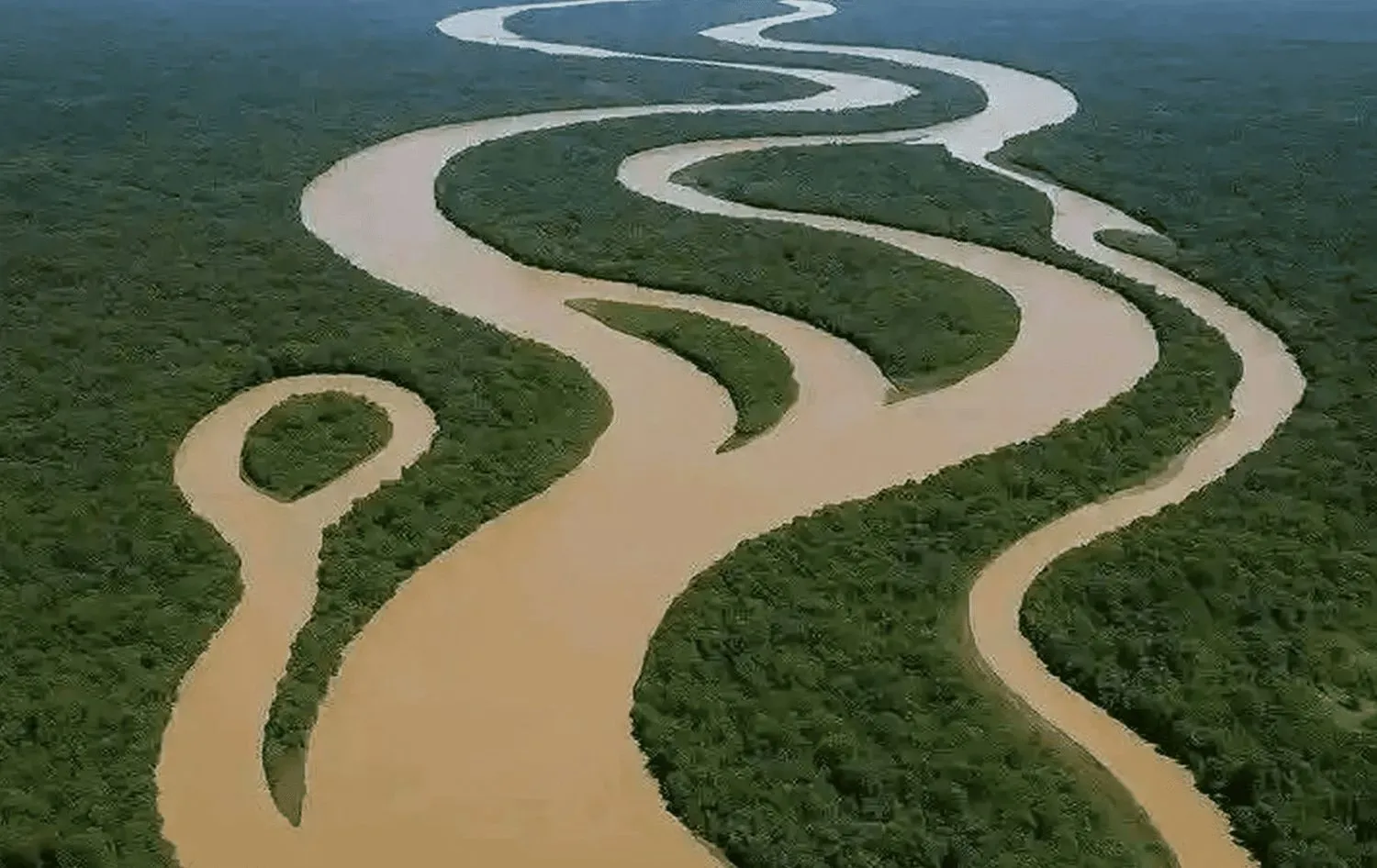
Deep in Papua, Indonesia, the Mamberamo River carves through one of the world’s last untouched rainforests — a place where the finest wild agarwood Indonesia produces still grows completely undisturbed. A group of men has spent days navigating dense jungle on foot. None of them carries weapons or scientific equipment. Instead, they are agarwood hunters — and what they search for is, gram for gram, one of the most valuable natural materials on Earth.
Most people who burn oud in Dubai, or wear pure oud oil in London, have never seen where it comes from. They know the scent — that deep, resinous, ancient smell that carries entire civilisations in its smoke. Yet the forest behind that scent remains invisible to most buyers. This is the story of that forest — and of the extraordinary wood it hides.
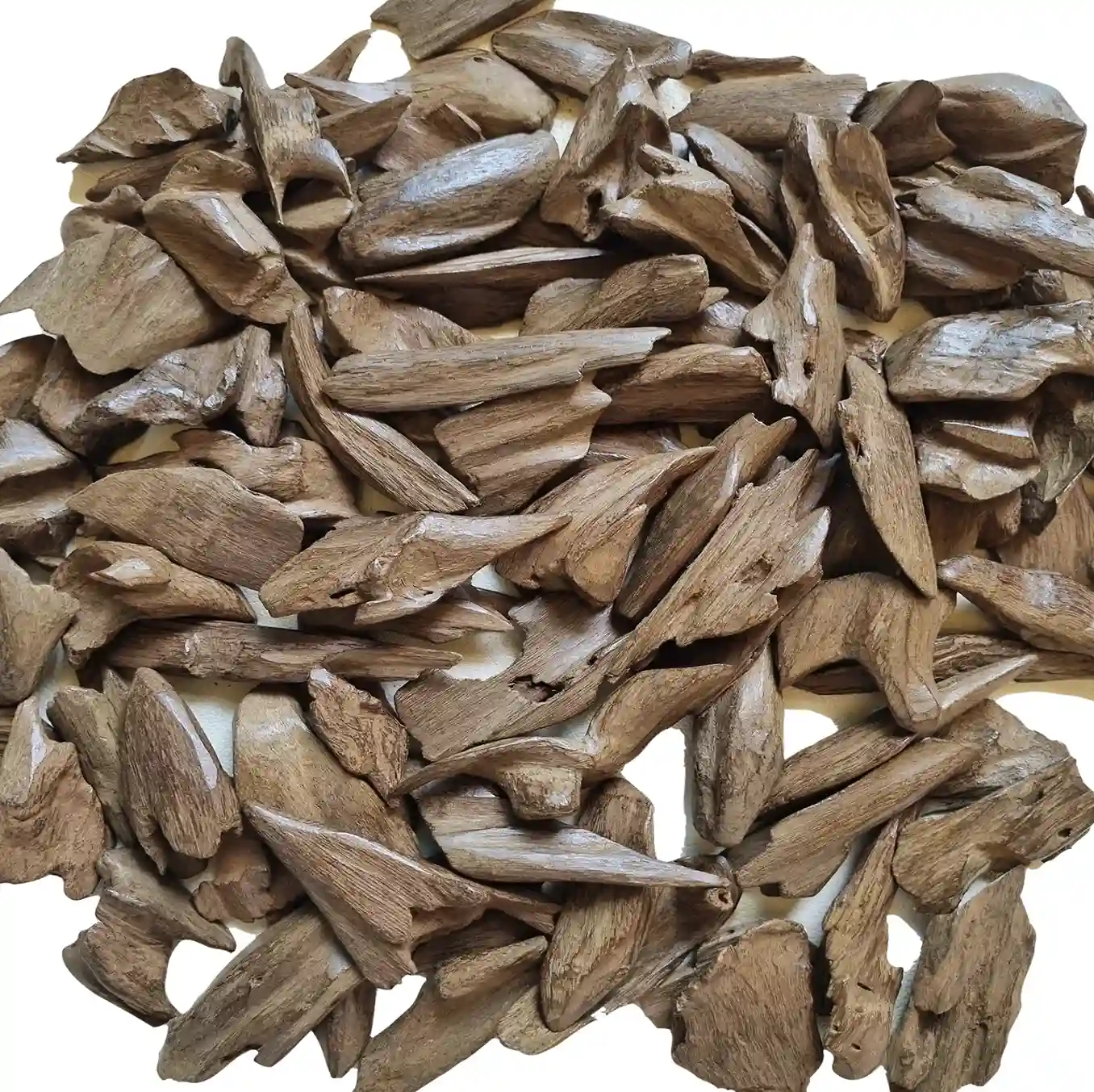
The Mamberamo River basin in Papua, Indonesia, ranks among the least-explored ecosystems on the planet. It covers approximately 8 million hectares of primary rainforest. Locals call it the “Amazon of Asia” — a label that reflects both its scale and its extraordinary biodiversity. Furthermore, this remote region contains one of only two known wild populations of Gyrinops ledermannii, the species responsible for Papua Wild oud.
Unlike Aquilaria malaccensis — the species most commonly associated with agarwood in the Gulf — Gyrinops ledermannii grows exclusively in eastern Indonesia. Consequently, its resin chemistry, aromatic profile, and structural characteristics differ significantly from those of Borneo or Sumatra oud. In other words, wild agarwood from Indonesia in Papua is, in the most literal sense, a genuinely different material.
Access to the Mamberamo basin requires multi-day river travel followed by foot navigation through primary jungle. There are no roads. Moreover, no satellite maps reliably capture the interior. Instead, traditional hunter communities who have harvested agarwood from these forests for generations serve as guides and knowledge-holders. Their familiarity with Gyrinops distribution, seasonal patterns, and harvest indicators represents expertise that no laboratory has yet fully codified.
How Wild Agarwood Indonesia Forms — The Biology of Scent
Understanding what makes Papua Wild oud rare requires, first, understanding how agarwood forms at all. Under normal conditions, Gyrinops ledermannii is simply a tropical hardwood. Its wood is pale and its scent unremarkable. However, the transformation into wild agarwood Indonesia begins only when the tree encounters biological stress — typically a fungal infection by genera such as Phialophora or Fusarium.
When infection occurs, the tree activates a profound immune response. Specialised cells called sphaeroblasts begin synthesising sesquiterpenes and chromones — the aromatic compounds responsible for oud’s distinctive fragrance. Over the years, then decades, this resin gradually infiltrates the surrounding wood fibres. The result, therefore, is the dense, dark, extraordinarily complex material that collectors worldwide seek.
The critical word is decades. Premium wild agarwood from Papua represents 50 or more years of continuous resinogenesis. Layer upon layer of seasonal stress response and sesquiterpenoid biosynthesis accumulate over time. No artificial process can replicate or compress this timeline. Additionally, roughly 70% of all Gyrinops trees will never produce agarwood at all. Only those experiencing the right biological stress, at the right developmental stage, and in the right ecological context, will ever yield what hunters seek.
In particular, this biological improbability — combined with the remoteness of Papua’s forests — is precisely why genuine wild agarwood Indonesia commands premium prices worldwide. Research published in the journal Phytochemistry (ScienceDirect) documents that wild-formed agarwood sesquiterpenes show significantly greater structural complexity than artificially inoculated samples — a finding that explains why experienced noses can consistently distinguish wild material from cultivated.
The Hunters — Knowledge Built Over Generations
The men who source agarwood for Masantara Oud in the Mamberamo basin carry knowledge passed through generations. Before making a single cut, they can already identify an infected tree with certainty. Their eyes read the subtle darkening of bark. A slight change in leaf colour rarely escapes their notice. Certain insects clustering near a resin-bearing trunk serve as another reliable indicator — one that electronic detection methods have only recently begun to replicate.
Notably, this knowledge holds genuine scientific validity. Research published in Forest Ecology and Management (Elsevier) documented that experienced agarwood hunters have identification accuracy rates exceeding those of early electronic detection methods. Their intuition is not mystical — rather, it reflects pattern recognition built over decades of close observation.
A single expedition into the Mamberamo basin lasts one to two weeks. The hunters travel light, navigate by river and forest path, and may extract only a few kilograms from an entire expedition. Nevertheless, each piece then receives grading, documentation, and full provenance traceability before entering the supply chain.
Above all, this is not plantation agarwood. Nothing here is cultivated or harvested from a managed grove. Instead, this material is genuinely wild — formed over half a century in one of the world’s most remote forests, found by people whose entire skill set exists to locate it.
Wild vs Cultivated — Why the Difference Matters
Commercial plantation agarwood — the majority of what enters the global market today — offers predictability but inevitably sacrifices complexity. Plantation trees receive artificial inoculation, managed irrigation, and accelerated growth cycles. The result is consistent, yet fundamentally different from fifty-year wild resinogenesis.
The comparative sesquiterpene profiles tell the story clearly. Genuine wild agarwood from Papua, Indonesia, consistently shows 30-55% total sesquiterpene content in GC-MS analysis. Cultivated material, by contrast, typically yields just 8-22%. That gap represents decades of irreplaceable biological time. Consequently, for serious collectors and perfumers, wild origin is not merely a preference — it is a fundamental quality criterion. To understand exactly how Masantara grades and evaluates this material, our agarwood grading guide provides detailed criteria and visual references for every grade level.
As the luxury fragrance market grows more discerning, this distinction is gaining mainstream recognition. Robb Report noted that oud has become one of the fastest-growing segments in fine fragrance, with provenance and wild origin increasingly cited by collectors as primary purchasing criteria.
What Wild Papua Oud Smells Like
Words remain an inadequate medium for scent. However, for collectors and perfumers encountering Papua Wild for the first time, some orientation certainly helps. The opening of wild agarwood Indonesia from Papua — whether burned as chips or applied as pure oil — carries what evaluators call a telluric quality. Specifically, it is earthy and mossy, with a note suggesting ancient forest floor rather than the polished sweetness of cultivated wood.
A dark smokiness and leather-like depth characterise the mid-notes. As the scent develops on skin or in smoke, barnyard and animal nuances emerge — characteristics that experienced oud collectors recognise as indicators of significant resin age. Finally, the dry-down reveals a sustained woody-balsamic quality with unusual persistence. On skin, premium Papua Wild oil holds its character for twelve hours or more.
Evidently, this complexity is not accidental. Rather, it is a direct chemical record of the tree’s biological history. To explore how Papua Wild compares across different Indonesian origins, our agarwood origin guide maps these regional differences with scientific precision.
CITES Documentation and the Legal Supply Chain
Gyrinops ledermannii appears on CITES Appendix II, meaning international trade requires documented export permits, non-detriment findings, and phytosanitary certification. This is not bureaucratic formality — indeed, it is the legal and ethical framework that makes responsible wild agarwood trade in Indonesia possible at all.
Every Masantara Oud Papua Wild shipment carries full CITES documentation. Indonesia’s national CITES Management Authority issues the export permits directly. Supply chain traceability runs back to registered community forest cooperatives. Furthermore, SVLK (Timber Legality Assurance System) certification accompanies every order. Consequently, when you purchase Papua Wild from Masantara, you participate in a documented, legal, and traceable chain of custody — from the Mamberamo forest directly to your hands.
In an increasingly regulated global luxury market, provenance verification has become non-negotiable for serious buyers. Undocumented agarwood carries both legal and reputational risk, regardless of how authentic it appears. Documented wild agarwood, however, carries something far more valuable: certainty.
Experience Papua Wild for Yourself
For collectors and perfumers seeking genuine wild Papua oud, Masantara offers Pure Oud Oil Maroke — steam-distilled from wild Gyrinops ledermannii, GC-MS verified for sesquiterpene content and purity, and available in 3ml, 6ml, and 12ml formats. Those who prefer the ancient ritual of burning will, additionally, find comparable depth in our wild agarwood chips from Kalimantan — a complementary origin sharing Papua Wild’s fundamental character while offering its own distinct regional signature.
New to oud entirely? Our Oud Discovery guide provides the ideal starting point — covering the science, heritage, and sensory landscape of wild agarwood in Indonesia in full detail. Similarly, it introduces you to the full spectrum of origins so you can approach your first purchase with genuine knowledge.
The Mamberamo forest has produced something extraordinary for millions of years. We are therefore fortunate to bring it to you — carefully, legally, and with full respect for both the tree and the tradition it carries.
Masantara Oud. Indonesia’s finest wild agarwood, direct from the ancient forests of Nusantara.