 Worldwide Shipping Available via DHL Express
The Origin of Agarwood
Discovering the Sacred Resin the Ancient World Called a Gift from the Gods
From the sanctuaries of ancient Sanskrit verse to the perfume houses of modern Dubai
— the sacred story of Aquilaria, the Wood of the Gods.
Years of Recorded Use
12
Aquilaria Species
13
Gyrinops Species
$80K+
Per Kg, Wild Grade
1. The Opening
The Discovery That Predates Every Perfumer's Laboratory
Long before the age of synthetic chemistry, long before the glassware of a modern perfumer’s laboratory, there was a wound in a tree — and from that wound came something the ancient world considered miraculous. The Vedic texts of India, composed as far back as 1500 BCE, called it aguru: a heavy, dark-heartwooded substance used in ritual purification, offered to deities whose names we still invoke. The Hebrew Bible, in the Book of Numbers, records ahalim — fragrant trees so precious they were used in royal proclamations. The Chinese physician Tao Hongjing, writing in the 5th century CE during the Eastern Jin Dynasty, classified chen xiang (沈香) — “sinking incense” — as a supreme medicine in his compendium of materia medica.
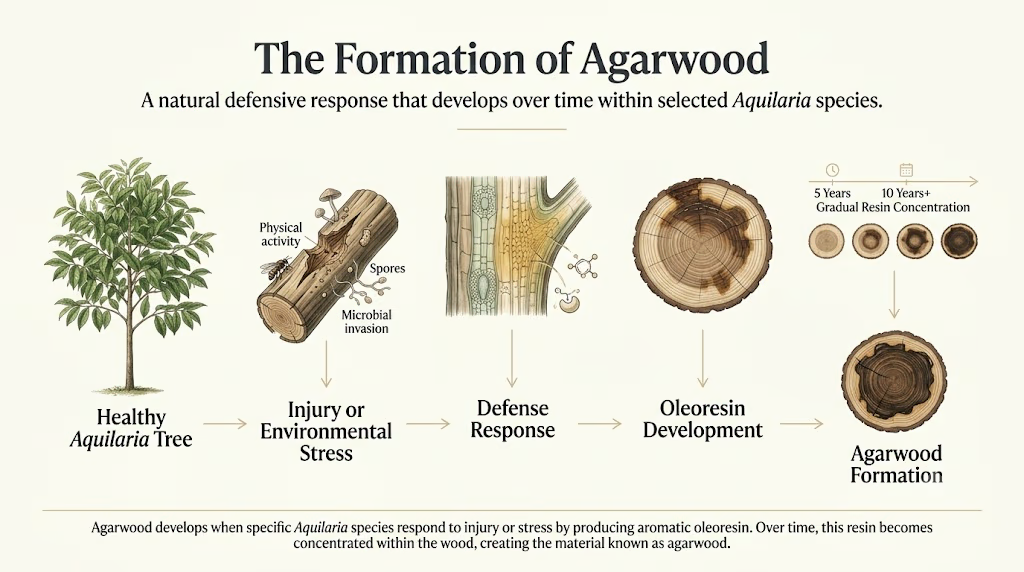
What they all described was agarwood: the resinous heartwood of trees belonging to the genus Aquilaria and Gyrinops (family Thymelaeaceae), formed when the living cambium responds to fungal infection or physical stress by producing a dark, volatile-rich oleoresin through a process modern science now calls resinogenesis. This is not a product that is harvested — it is a transformation that is endured by the tree, and that endurance is what makes it extraordinary.
Today, wild agarwood commands prices exceeding USD $80,000 per kilogram for the highest grades — placing it, by weight, among the most valuable raw biological materials on Earth. Yet its value is not merely economic. It is historical, cultural, spiritual, and deeply scientific. This page exists as a definitive record of that complexity.
"Agarwood does not come from a tree. It comes from a tree's suffering — and in that suffering, it produces something the world has never learned to replicate."
— Paraphrased from Robb Report's coverage of oud's ascent in luxury perfumery, 2022
What Triggered the Transformation — Fungus, Wound or Lightning
Across civilisations separated by geography, language, and religion, agarwood emerged as a substance of unusual significance. In South Asia it was associated with ritual purification and temple offerings; in the Middle East it became a symbol of prestige and hospitality; in East Asia it evolved into a subject of medicinal and artistic appreciation. The remarkable consistency of these references suggests that agarwood was not merely traded as a commodity, but recognised as a material whose rarity and aroma carried cultural meaning far beyond its physical form
The Biological Origin of a Rare Material
Unlike conventional aromatic woods, agarwood is not a naturally occurring heartwood characteristic of every tree. It develops only when specific biological and environmental conditions trigger the production of protective resin within the wood structure. This defensive response alters both the chemistry and density of the affected tissue, creating the dark resinous material that has fascinated traders, healers, and perfumers for centuries. The rarity of these conditions is one of the primary reasons agarwood remains among the most sought-after natural aromatic materials in the world.
2. Botanical Foundation
Meet the Tree — Unremarkable Until the Forest Wounds It
The trees that produce agarwood are, in their uninfected state, unremarkable. Aquilaria malaccensis is a medium-to-tall evergreen reaching 40 metres in its native canopy, with smooth grey bark, elliptic leaves 5–11 cm in length, and small clusters of yellowish-white flowers. To the untrained eye, it blends invisibly into the biodiversity-dense understorey of Southeast Asian tropical rainforests. There is nothing in its appearance that predicts the transformation it is capable of undergoing.
Structurally, the oud tree is a gymnosperm-competitor in angiosperm ecology — occupying mid-forest canopy positions in primary and secondary forests distributed across a latitudinal range of roughly 30°N to 10°S, encompassing the Himalayan foothills, Indochina, the Malay Peninsula, and the archipelagic forests of Nusantara. Its preferred growing conditions include tropical monsoon climates with annual rainfall between 2,000–4,000 mm, well-drained alluvial or sandy loam soils, and elevations from sea level to approximately 1,000 metres above sea level (m.a.s.l.).
The key anatomical feature relevant to agarwood formation is the heartwood zone — the inner, non-living core of secondary xylem tissue. In healthy trees, this heartwood is cream-white and odourless. Infection — typically by the fungal genera Phialophora, Fusarium, or Aspergillus — triggers a systemic immune cascade. The tree activates sphaeroblast cells (specialized resin-secreting parenchyma) distributed in radial medullary rays throughout the xylem. These cells begin synthesizing sesquiterpenes and chromones — the two primary chemical classes responsible for agarwood’s fragrance profile — as a defence mechanism. Over decades, this resin infiltrates the surrounding wood fibres, creating the dense, dark, aromatic matrix we call agarwood.
Max tree height
50+
Years for premium wild resin
~70%
Trees never produce agarwood
150+
Volatile compounds identified
Research published in Phytochemistry (Elsevier, 2014) by Nor Azah et al. identified over 150 volatile compounds in high-grade agarwood essential oil, with α-guaiene, δ-guaiene, agarospirol, and jinkoh-eudesmol constituting the primary sesquiterpenoid markers of quality. Crucially, it is the ratio and concentration of these compounds — not merely their presence — that distinguishes a USD $3,000/kg grade from an USD $80,000/kg grade.
The chromone compounds — particularly 2-(2-phenylethyl)chromones and their hydroxylated derivatives — are unique to agarwood and serve as chemical fingerprints for geographic origin, a field of analysis now formally called agarwood chemoprofiling, applied increasingly by customs agencies and luxury houses to authenticate provenance.
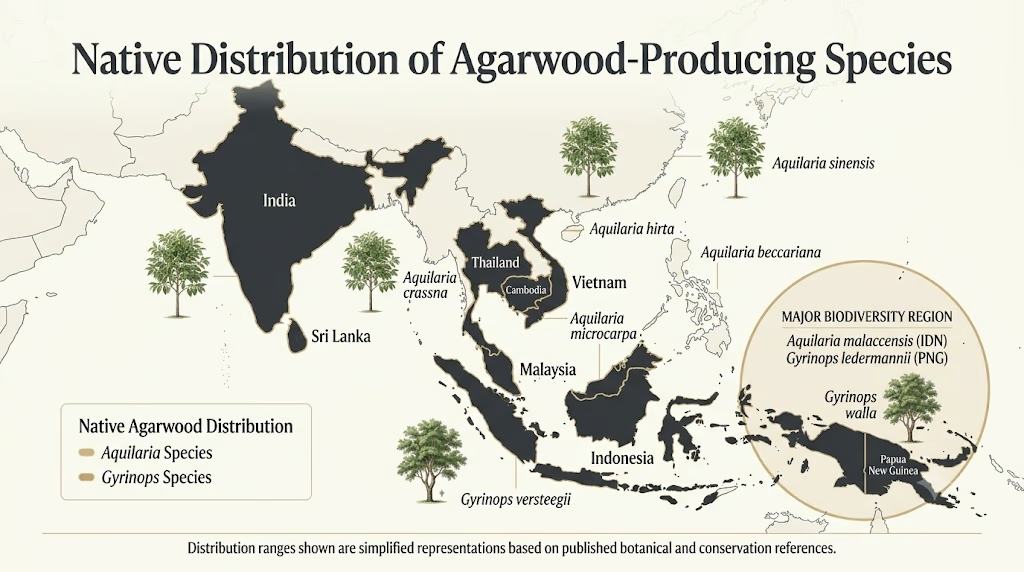
Agarwood-Producing Tree Species in Southeast Asia
The global agarwood trade is supported by a relatively small group of tree species belonging primarily to the genera Aquilaria and Gyrinops. Among them, Aquilaria malaccensis remains one of the most widely recognised due to its historical importance and broad natural distribution across South and Southeast Asia. Other commercially significant species include Aquilaria microcarpa, Aquilaria crassna, Aquilaria hirta, and several members of the Gyrinops genus found throughout the Indonesian archipelago. While each species possesses distinct genetic characteristics, species alone does not determine the final aroma profile. Geographic origin, environmental conditions, resin development, harvesting practices, and processing methods all contribute to the sensory complexity associated with agarwood.
How Trees Produce Agarwood Through Resinogenesis
Agarwood formation is the result of a biological defence response rather than a normal stage of tree growth. When a tree experiences physical injury, microbial invasion, or other environmental stressors, specialised cellular pathways begin producing protective resin compounds within the wood structure. This process, known as resinogenesis, gradually transforms portions of the pale, odourless heartwood into a darker and chemically complex material rich in aromatic compounds. Depending on the intensity of the response and the duration of resin accumulation, this transformation may continue for many years. The resulting resin-infused wood contains a diverse mixture of sesquiterpenes, chromones, and other volatile compounds that contribute to the distinctive characteristics associated with natural agarwood.
3. Botanical Classification
Aquilaria and Gyrinops — The Only Trees on Earth That Carry This Secret
The family Thymelaeaceae contains approximately 50 genera and 900 species, but it is two genera — Aquilaria and Gyrinops — that hold a near-exclusive monopoly on commercially significant agarwood production. According to the authoritative classification published in the Gardens’ Bulletin Singapore (Vol. 56, 2004) by Ding Hou and subsequent revisions by Soehartono & Newton (2001, Biological Conservation, Elsevier), 21 species of Aquilaria and 13 species of Gyrinops are currently recognised.
Aquilaria malaccensis
The most commercially significant and widely traded species; native to the Malay Peninsula, Sumatra, and Borneo. Listed on CITES Appendix II since 1995. Produces the classical "Indo-Malay" resin profile — rich in guaiene-type sesquiterpenes.
Aquilaria crassna
Native to Cambodia, Laos, Thailand, and southern Vietnam. Source of the legendary Ky Nam grade — the world's most expensive agarwood historically recorded. Characterised by exceptionally high chromone concentrations.
Aquilaria sinensis
Endemic to Hainan Island and Guangdong Province, China. The basis of a millennia-old Chinese connoisseurship tradition. Produces a lighter, more herbaceous resin profile compared to Southeast Asian counterparts.
Aquilaria microcarpa / beccariana
Dominant agarwood-producing species of Borneo's lowland dipterocarp forests. Celebrated for strong, complex woody-balsamic aroma. Beccariana in particular is favoured by Middle Eastern wholesale buyers for its dense resin saturation.
Gyrinops ledermannii
The primary agarwood-producing species of Papua (New Guinea). Produces a distinctly earthy, primitive resin profile with high concentrations of agarofuran-type compounds. Among the rarest commercially traded species globally.
Aquilaria hirta
Studied extensively by FRIM (Forest Research Institute Malaysia) for sustainable cultivation. Produces quality resin in 8–12 years under induced inoculation protocols. Key species in Malaysia's certified sustainable agarwood sector.
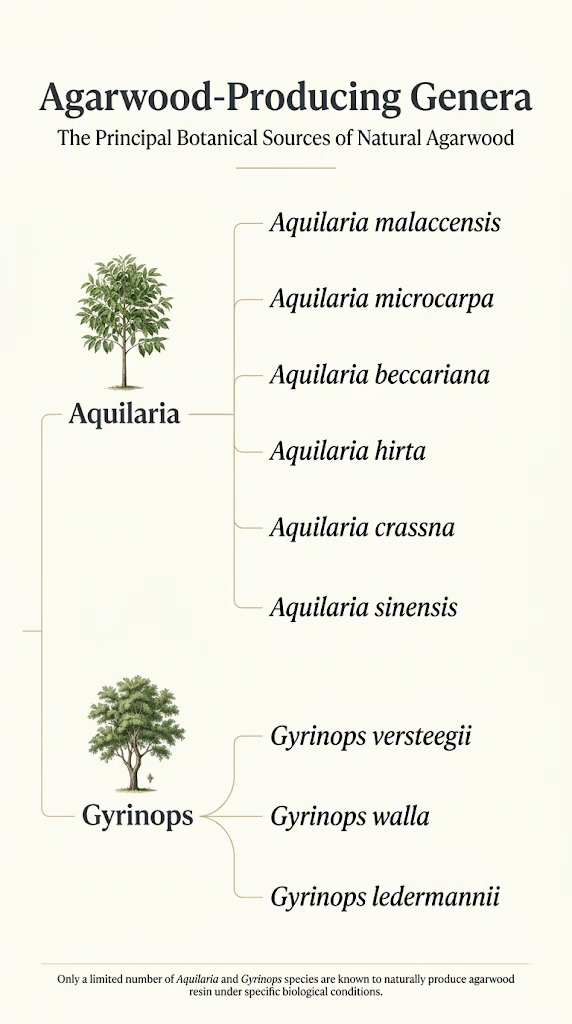
The distinction between Aquilaria and Gyrinops at the morphological level lies primarily in flower structure: Aquilaria species possess a 10-staminate androecium, while Gyrinops species are characterised by 5 stamens. Phylogenetically, molecular clock analyses (published in Molecular Phylogenetics and Evolution, Elsevier, 2016) suggest the two genera diverged approximately 35–45 million years ago during the Eocene, coinciding with the Tethys Sea closure and the uplift of the Indo-Australian plate — geological events that created the very biodiversity corridor now known as Sundaland, the ancient landmass beneath today’s Nusantara.
4. Classification System
How Oud Is Recognised, Graded and Understood by Those Who Know It Best
No standardised international grading system for agarwood currently exists — a fact that both reflects the complexity of the material and creates perpetual tension between producer nations, traders, and consumers. However, several classification frameworks have emerged from tradition, trade, and science.
The Oldest Test in the Trade — Place It in Water and Let the Resin Speak
The oldest grading method, still employed in Middle Eastern and Chinese markets, involves the simple hydrometric test. Agarwood submerged in water is categorised as:
- Jinkoh / Chen Xiang (沈香) — Fully sinking wood. Resin content exceeds 25% by dry weight. Highest grade; includes Ky Nam.
- Zankou / Zhan Xiang (棧香) — Partially sinking (semi-submerged). Resin content 10–25%. Mid-grade commercial material.
- Huang Shu Xiang (黄熟香) — Floating wood with discernible but lower resin. Used for incense powder blending.
What Triggered the Transformation — Fungus, Wound or Lightning
Modern botanic classification distinguishes agarwood formation by the wound stimulus that triggered resinogenesis:
Natural Mycotic Infection
Insect / Animal Wounding
Artificial Inoculation
Electrostatic Trauma
Where It Grew Matters More Than Almost Anything Else
Among connoisseurs — particularly in Japan (kōdō culture), China, and the Arabian Peninsula — origin is the single most deterministic factor in valuation. The Japanese Rikkoku Gomi (六国五味) system classifies agarwood across six regional origins and five taste dimensions, a system in use since the Muromachi period (1336–1573 CE). Contemporary luxury guides including Fragrantica’s editorial features consistently identify Vietnamese Ky Nam and Indonesian Papua Wild as the apex of rarity and desirability.
"The finest agarwood is not graded. It is recognised — by those who have spent a lifetime in its presence."
— Traditional kōdō practitioner, Kyoto; cited in Fragrantica editorial, 2021
5. The Epicenter
Nusantara — The Living Epicentre of Agarwood's Greatest Diversity
Indonesia is not merely a significant agarwood producer — it is the living laboratory where the genus Aquilaria achieved its greatest biological diversity and where human cultures first learned to venerate this resin. Spanning 17,508 islands across 1.9 million km² of sea, the Indonesian archipelago contains at least 9 confirmed agarwood-producing species (Akter et al., 2013, International Forestry Review, Taylor & Francis), making it the single most biodiverse agarwood origin on Earth.
Papua Wild — The Rarest Resin from the World's Last Untouched Forest
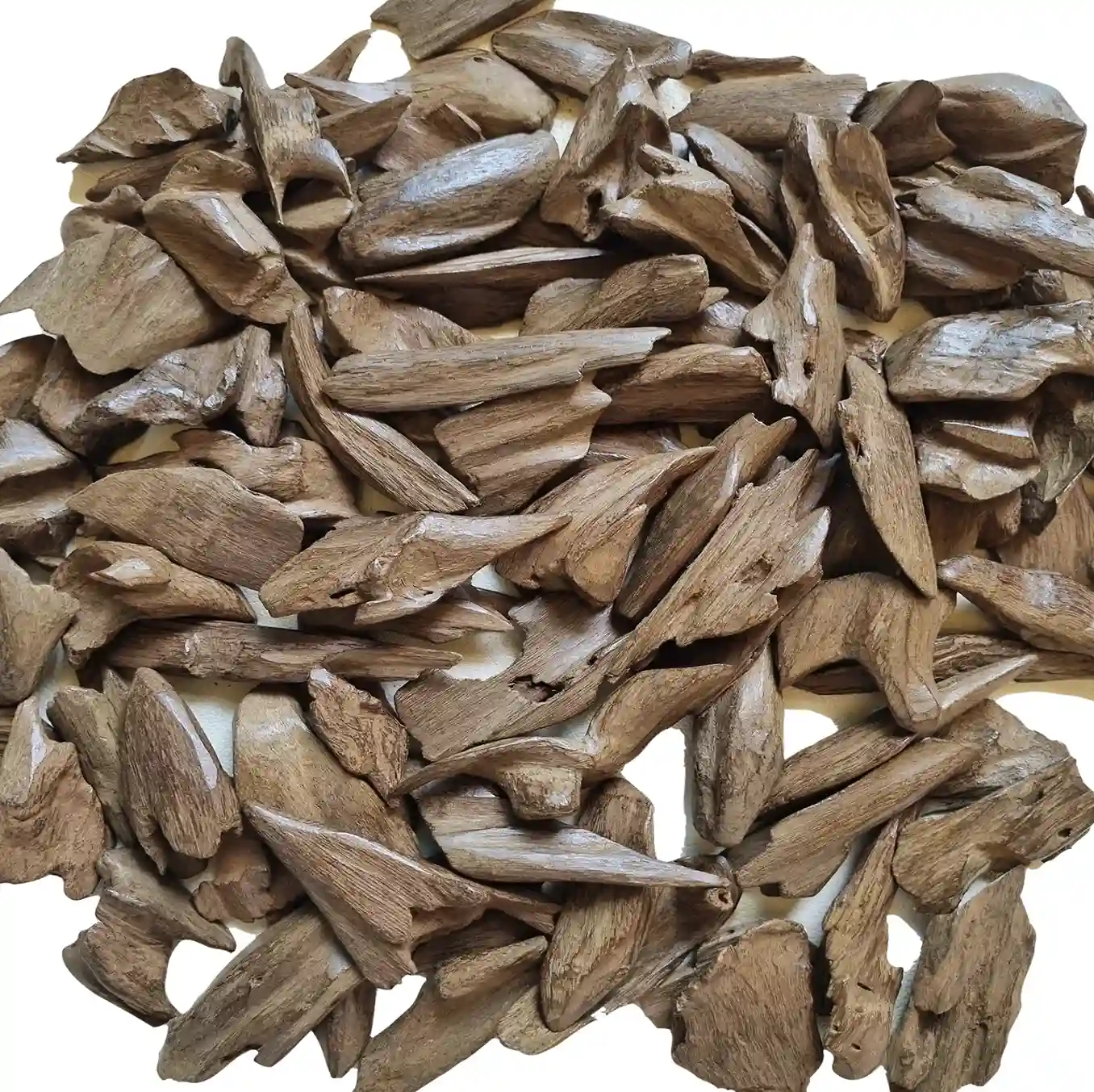
Papua represents the frontier of agarwood science. The primary producing species here is Gyrinops ledermannii, a tree that diverged evolutionarily from its Aquilaria cousins as New Guinea separated from the Australian craton approximately 15 million years ago. Its resin profile is chemically distinct from any other global origin — dominated by agarofuran and guaiol sesquiterpenes, with notably lower chromone concentrations than Indochinese counterparts.
Ecologically, Papua’s agarwood trees grow in primary lowland forest systems that remain among the least anthropogenically disturbed in Asia — encompassing the Lorentz National Park (UNESCO World Heritage, 1999), where an estimated 25,000 km² of unlogged forest provides habitat for wild Gyrinops populations of unknown but considerable extent. The aromatic character of Papua wild is described by experienced evaluators as profoundly telluric — earthy, mossy, primitive, with a depth of body that is qualitatively unlike any cultivated material.
Kalimantan — The Origin That Defined the Global Standard for Oud
Borneo — or Kalimantan as Indonesia’s portion is known — is widely regarded within the international agarwood trade as the benchmark origin for high-density resin. The dominant producing species, A. microcarpa and A. beccariana, thrive in the lowland dipterocarp and peat-swamp forests of East, Central, and South Kalimantan. A 2019 study in Forest Ecology and Management (Elsevier) documented that Kalimantan forests historically supported wild Aquilaria densities of approximately 3–7 mature trees per hectare in primary forest — a density dramatically reduced by decades of overharvesting and land conversion.
The resin character of Kalimantan agarwood is described in trade terminology as “woody-sweet-balsamic” — a profile driven by elevated concentrations of α-guaiene and β-caryophyllene, compounds that produce the characteristic warm, resinous base note prized by both Middle Eastern oud consumers and European niche perfumers. Middle Eastern traders historically referred to Kalimantan material as Dehn al-Oud Kambodi (despite geographic confusion), placing it at the apex of their quality hierarchy.
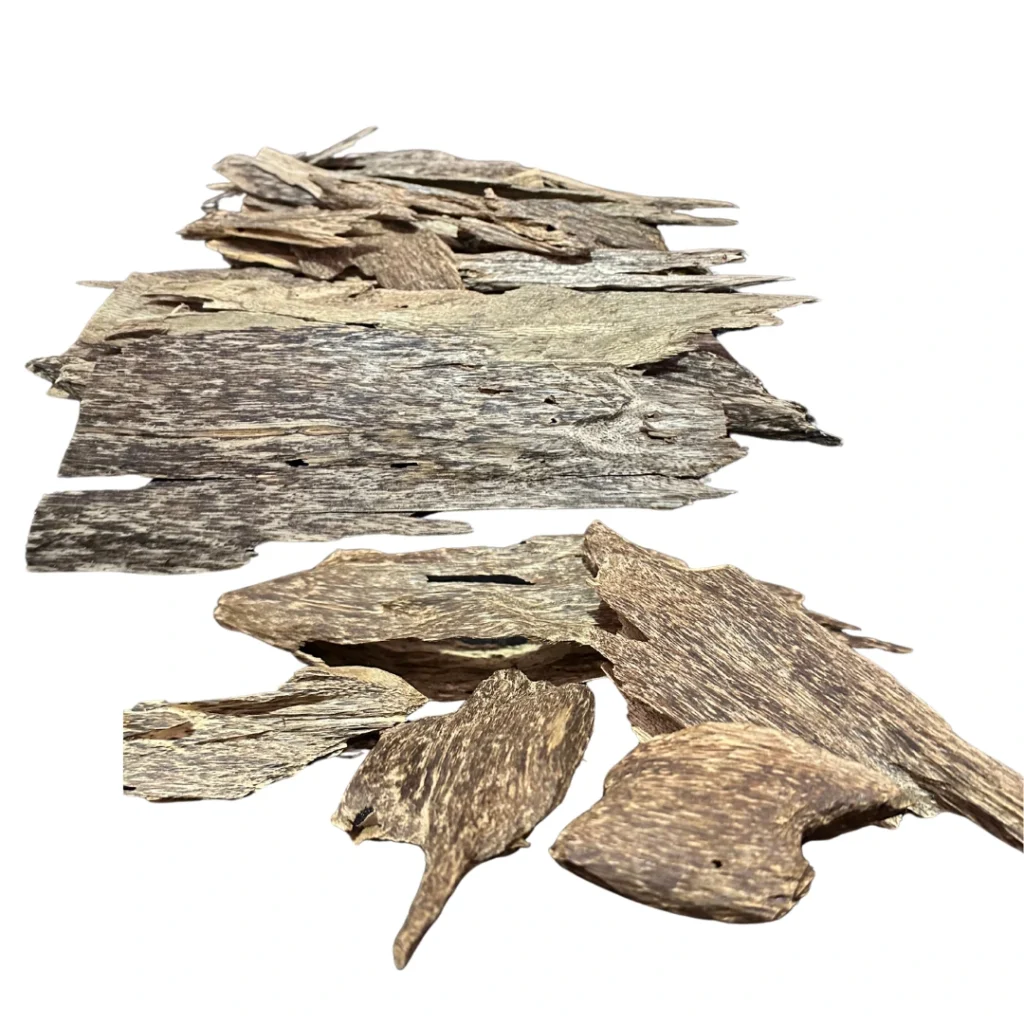
Sumatra — Where the Sriwijaya Empire First Sent Oud to the World
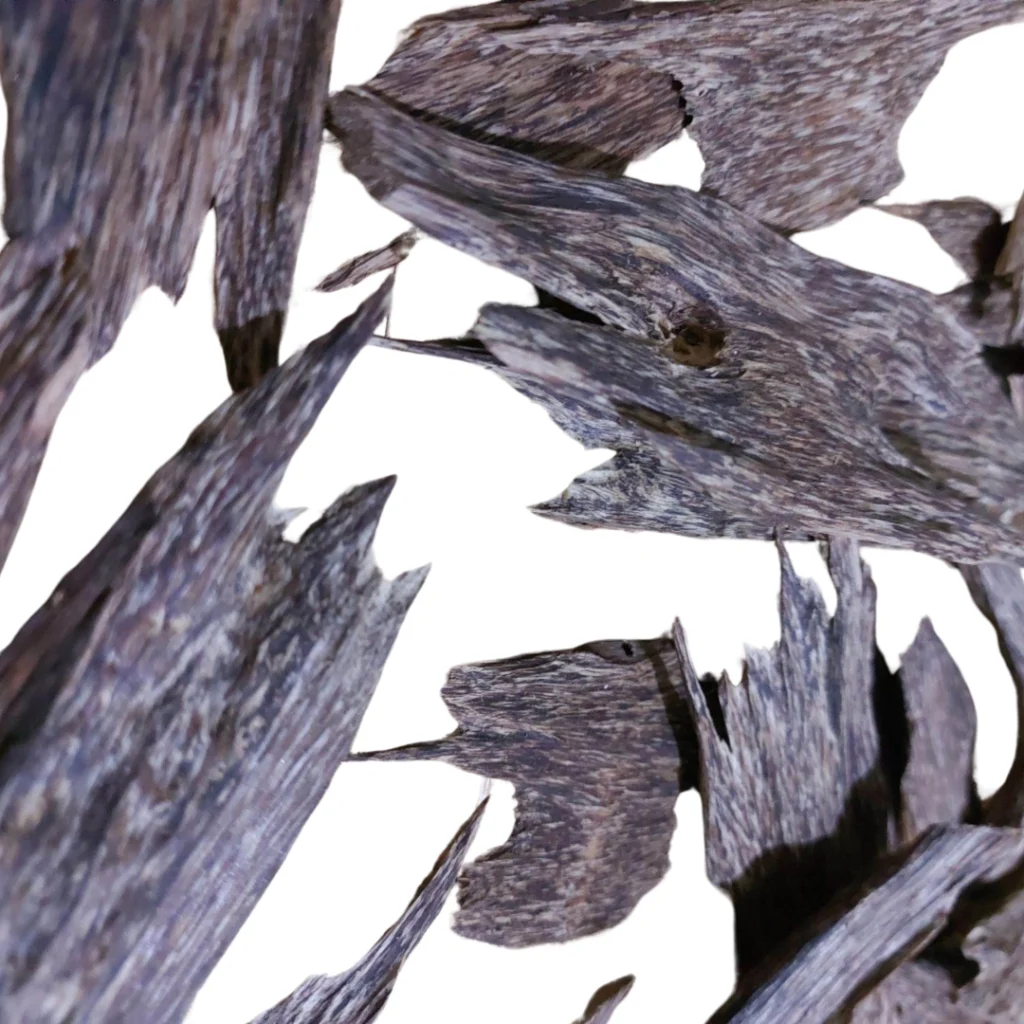
Sumatra’s connection to agarwood predates the European spice trade by centuries. The maritime empire of Sriwijaya (7th–13th century CE), centred on the Musi River basin near modern-day Palembang, controlled the sea lanes through which agarwood from Nusantara’s forests reached the ports of India, Arabia, and Tang Dynasty China. Chinese Buddhist pilgrim Yijing (義淨), who visited Sriwijaya in 671 CE, recorded in his travel memoirs that the port was a significant entrepôt for incense woods — including what Chinese records identify as chen xiang and jian xiang — bound for the imperial court.
The primary producing species in Sumatra — A. malaccensis in the north and A. microcarpa in the south — produce a resin that experienced evaluators describe as comparatively bright and floral against the heavier Kalimantan and Papua profiles. This character, attributed to elevated concentrations of ar-curcumene and lighter sesquiterpene fractions, made Sumatran agarwood the preferred ceremonial incense material of the Sriwijaya court.
6. Global Cartography
A World Map of Oud — How Each Origin Speaks a Different Aromatic Language
While Nusantara represents the apex of agarwood biodiversity, the global geography of this material spans a wide arc from the Himalayan foothills to the lowland rainforests of Southeast Asia. Each origin contributes distinct chemical and organoleptic profiles, creating a global palette that master perfumers and oud connoisseurs have mapped over centuries of trade.
Nusantara: Sumatra, Kalimantan & Papua
Stretching across thousands of islands and multiple biogeographic zones, Indonesia hosts one of the greatest concentrations of agarwood-producing species known to science. From the lowland rainforests of Sumatra and the vast dipterocarp ecosystems of Kalimantan to the remote forests of Papua, these landscapes support a remarkable diversity of Aquilaria and Gyrinops species. The result is an extraordinary range of resin expressions that has shaped regional trade networks, cultural traditions, and global appreciation for agarwood for centuries.
Thailand
Thailand has emerged as a leading centre for cultivated agarwood production and plantation research. Extensive work on inoculation techniques, plantation management, and resin induction has contributed significantly to the modern commercial agarwood sector. The country's cultivation programmes are frequently referenced in discussions surrounding sustainable production and long-term resource management.
China: Hainan & the Tang Legacy
Aquilaria sinensis, native to southern China and Hainan Island, forms the foundation of the Chinese agarwood tradition known as Chen Xiang. Historical records document its use in medicine, religious ceremonies, scholarly culture, and elite fragrance appreciation for more than a millennium. Today, cultivated populations play an important role in preserving this longstanding cultural heritage.
The Forest Research Institute
Malaysia has played an important role in advancing scientific understanding of agarwood through research institutions such as FRIM (Forest Research Institute Malaysia). Studies involving Aquilaria malaccensis and Aquilaria hirta have contributed to modern knowledge of cultivation, inoculation, sustainable harvesting, and conservation practices throughout the region.
7. Therapeutic & Cultural Value
Beyond Perfume — The Ancient Healing Properties Discovered in Agarwood
Agarwood occupies a unique position in ethnopharmacology — it is simultaneously a luxury commodity and a documented medicinal substance with a clinical literature stretching back over two millennia. The WHO’s traditional medicine strategy recognises agarwood preparations in Unani, Ayurvedic, and Traditional Chinese Medicine systems. Modern biochemical research, while preliminary in clinical trial depth, has begun to validate several traditional use categories.
Neurological Modulation
In-vitro studies published in Journal of Ethnopharmacology (Elsevier, 2018) demonstrated that agarwood extracts exhibit anxiolytic activity through GABA-A receptor pathway modulation. The sesquiterpene agarol showed statistically significant sedative effects in murine models at doses of 50 mg/kg body weight.
Anti-inflammatory Activity
Chromone compounds from A. sinensis demonstrated COX-2 inhibitory activity in macrophage assay models (Liu et al., 2017, Fitoterapia, Elsevier) — providing a potential mechanistic explanation for the traditional use of agarwood preparations in managing inflammatory conditions within certain Ayurvedic and Chinese medicine traditions.
Antimicrobial Properties
Essential oil derived from Aquilaria malaccensis demonstrated antimicrobial activity against microorganisms including Staphylococcus aureus and Candida albicans in laboratory-based studies, with reported minimum inhibitory concentrations (MIC) ranging from 0.31–2.5 mg/mL. These findings are broadly consistent with the historical use of agarwood in traditional aromatic, fumigation, and herbal practices documented across several medical traditions.
Respiratory Traditions and Ethnomedical Use
Traditional fumigation using agarwood chips remains part of cultural and aromatic practices in regions including Yemen, Oman, and India. Ethnomedical literature has documented its historical association with respiratory wellbeing and household aromatic use. Agarwood smoke contains a complex mixture of volatile compounds, including benzyl benzoate and various terpenoids, which have been investigated in scientific studies for their biological properties. However, the health effects of agarwood smoke continue to be an area of ongoing research.
Spiritual Traditions and Sensory Experience
Agarwood has long been associated with contemplative, ceremonial, and spiritual practices, including Japanese kōdō traditions and the use of bakhour across parts of the Islamic world. Contemporary research into olfactory perception suggests that scent can influence emotional and autobiographical memory through neural pathways connected to the limbic system. The distinctive sesquiterpene profile of agarwood may contribute to the sensory experiences frequently described by practitioners, including feelings of calm, reflection, and heightened attentiveness, although individual responses can vary considerably.
Economic and Social Significance
Agarwood supports livelihoods across many producing regions through cultivation, processing, trade, and traditional craftsmanship. When managed within applicable conservation and trade frameworks, it is often regarded as a valuable component of sustainable forest-based economic activity.
8. Chronological Heritage
Three Thousand Years of Discovery — From Vedic Ritual to the Perfume Houses of Paris
To understand oud is to read a chronicle of civilisations — of empires built on aromatic trade routes, of spiritual traditions that found in fragrance their most direct pathway to the divine, and of a modern luxury industry that has rediscovered in this ancient resin an irreplaceable raw material.
Vedic Texts & the Birth of Aguru
The Atharvaveda contains one of the earliest known textual references to agarwood, describing aguru as a sacred fumigant used in ritual contexts. Later Sanskrit literature, including the Ramayana, also references its use in royal and ceremonial settings. In traditional Ayurvedic literature, aguru has long been included among aromatic botanical materials used in various cultural and medicinal traditions.
Biblical Record & Arabian Trade
The Hebrew ahalim (אֲהָלִים) appears in several biblical texts, including Numbers 24:6, Song of Solomon 4:14, and Psalms 45:8. Historical sources also indicate that Arabian trade networks played an important role in connecting agarwood-producing regions of South and Southeast Asia with markets across the Middle East and the Mediterranean world, contributing to the early development of long-distance aromatic trade.
Tang Dynasty Court & Chinese Connoisseurship
The Tang Dynasty is widely regarded as a formative period in the development of Chinese incense culture. Historical records describe the growing appreciation of imported aromatic materials, including agarwood sourced through regional trade networks connecting China with Southeast Asia. During this era, practices related to fragrance evaluation, appreciation, and classification became increasingly refined, laying foundations for later traditions of incense connoisseurship.
The Sriwijaya Entrepôt
The maritime kingdom of Sriwijaya occupied a strategic position within regional trade networks linking South Asia, the Middle East, and East Asia. Historical sources indicate that ports within the Malay Archipelago played an important role in the movement of valuable commodities, including aromatic woods, spices, and forest products. These trade connections contributed to the growing circulation and cultural significance of agarwood across multiple civilisations during the medieval period.
Portuguese and Dutch Maritime Trade Networks
During the Age of Exploration, European maritime powers expanded commercial connections across the Indian Ocean and Southeast Asia. Historical records from Portuguese Malacca and later Dutch trading centres document the movement of aromatic woods, spices, and other high-value forest products through regional trade networks. Agarwood remained a sought-after commodity within these exchanges, reflecting its established importance in markets across Asia and the Middle East.
The Gulf Luxury Revolution
The rapid economic growth experienced across parts of the Arabian Gulf during the late twentieth century contributed to increased demand for premium aromatic materials, including agarwood. Traditional practices involving bakhour, incense, and personal fragrance remained deeply embedded in regional culture, while luxury perfumery expanded as an important expression of identity and craftsmanship. During this period, high-quality agarwood from Southeast Asia became increasingly sought after by collectors, traders, and fragrance houses serving Gulf markets.
Global Niche Perfumery and the Oud Renaissance
The early twenty-first century witnessed a significant rise in global interest in oud within the luxury fragrance industry. As niche and artistic perfumery gained wider recognition, agarwood-inspired compositions became increasingly visible in international markets beyond their traditional centres of use. This growing appreciation introduced new audiences to the cultural, historical, and aromatic significance of agarwood, helping establish oud as one of the most recognisable themes in contemporary fine fragrance.
"A 50-year-old wild agarwood tree has undergone hundreds of infection events, seasonal responses, and enzymatic cascade reactions that a 10-year-old plantation tree simply has not had time to accumulate. The chemistry of age is irreducible."
— Paraphrased from Azren et al., 2019, Forests, MDPI
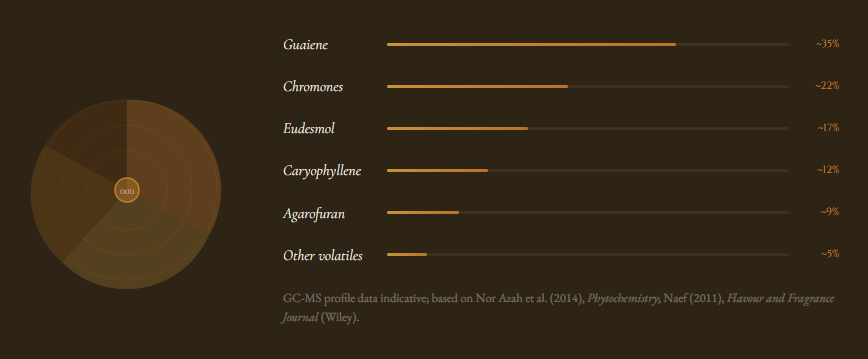
What Science Discovered Inside the Resin That Emotion Already Understood
Primary volatile compound classes by contribution to organoleptic character — wild Indonesian grade (indicative, derived from GC-MS studies in the literature).
9. Scientific Comparison
Wild vs. Cultivated — What Fifty Years in the Forest Creates That Science Cannot Yet Replicate
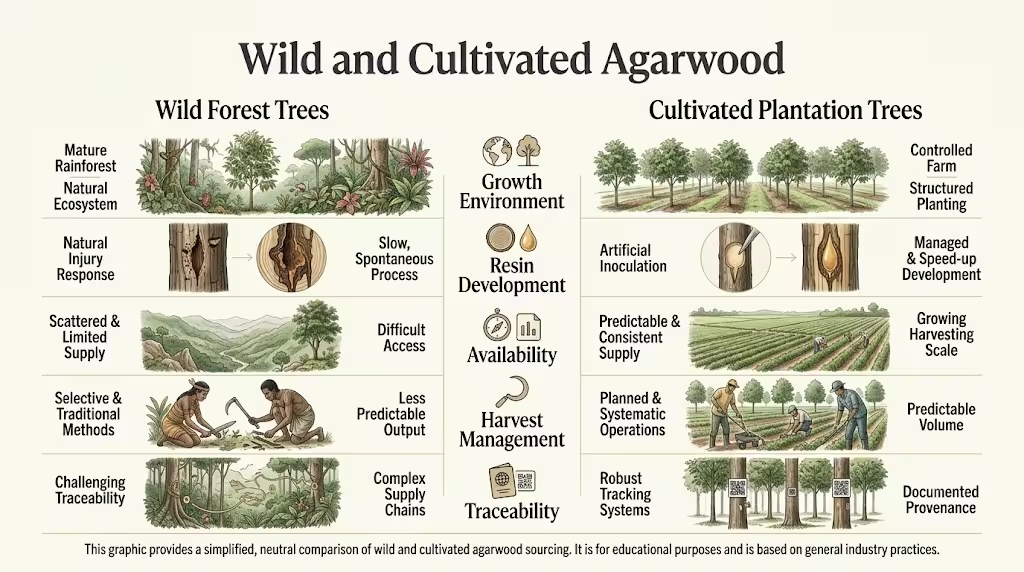
Perhaps no question in contemporary agarwood science carries greater commercial consequence than this: can cultivated agarwood replicate the chemical complexity of old-growth wild material? The scientific evidence, accumulated across multiple peer-reviewed studies over the past two decades, provides a nuanced and commercially significant answer: not yet — and perhaps never fully.
A landmark comparative study by Barden et al. (published in Economic Botany, 2000, Springer) established the methodological framework that subsequent researchers have refined. The most comprehensive recent comparison appears in Azren et al. (2019, Forests, MDPI), which analysed 127 samples across wild and cultivated oud origins using GC-MS and HPLC-MS chemoprofiling.
Wild and Cultivated Agarwood Comparison
| Parameter |
Wild Agarwood 50+ Years |
Cultivated / Induced 8–12 Years |
|---|---|---|
| Total sesquiterpene content | 30–55% of extractables | 8–22% of extractables |
| Chromone diversity (no. of identified compounds) | Up to 47 distinct compounds | 12–24 compounds (inoculation dependent) |
| Resin density (g/cm³) | >1.0 (sinking grade) | 0.6–0.85 (typically floating) |
| α-Guaiene concentration | 8–18% of essential oil | 2–7% of essential oil |
| Jinkoh-eudesmol presence | Consistently detected | Inconsistently present; low concentration |
| Market value (USD/kg, indicative) | $15,000 – $80,000+ | $500 – $8,000 |
| CITES documentation required | Yes (Appendix II export permit) | Yes (subject to applicable export and phytosanitary requirements) |
The scientific consensus, synthesised across publications in Industrial Crops and Products (Elsevier) and Natural Product Research (Taylor & Francis), is that the extended duration of natural resinogenesis — across decades of microbial succession, seasonal stress cycles, and progressive sesquiterpenoid biosynthesis — produces a molecular complexity that current artificial induction techniques cannot compress into a single inoculation event. The time dimension of wild agarwood quality is not a luxury abstraction; it is a measurable biochemical reality.
"A 50-year-old wild agarwood tree has undergone hundreds of infection events, seasonal responses, and enzymatic cascade reactions that a 10-year-old plantation tree simply has not had time to accumulate. The chemistry of age is irreducible."
— Paraphrased from Azren et al., 2019, Forests, MDPI
10. Global Compliance
Preserving the Discovery — How We Protect the Origin for the Generations Who Come After
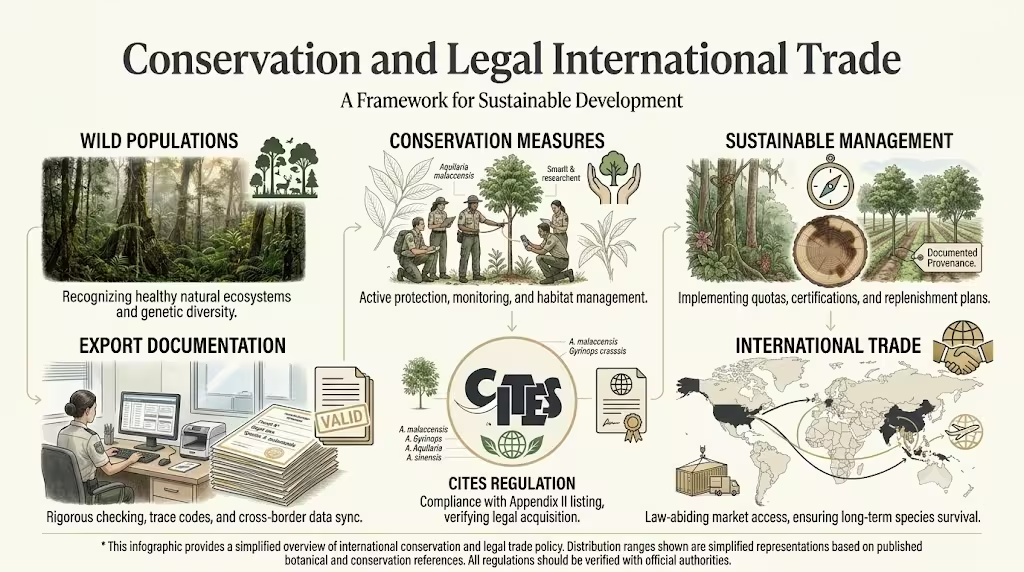
The trajectory of agarwood from abundance to scarcity is, in many respects, a case study in the failure of unregulated luxury resource extraction. The Convention on International Trade in Endangered Species of Wild Fauna and Flora (CITES) listed Aquilaria malaccensis under Appendix II at its 9th Conference of Parties (CoP9) in 1994 — the first time an aromatic wood had been subject to international trade controls. All remaining Aquilaria and Gyrinops species were added under Appendix II at CoP13 in 2004, requiring that all international commercial trade be accompanied by documented evidence of legal and sustainable harvest.
CITES Appendix II — The International Framework That Safeguards Every Piece
Every shipment of agarwood wood, chips, powder, or essential oil crossing an international border must be accompanied by:
📄 CITES export permit issued by the national CITES Management Authority of the producing country
📄 Phytosanitary certificate (for unprocessed plant material)
📄 Non-Detriment Finding (NDF) — a scientific assessment confirming that export volumes do not threaten wild population viability
📄 For plantation-origin material: plantation registration certificate issued by the relevant national forestry authority
"The future of oud is not merely about fragrance. It is about whether we can build economic systems that make the living forest more valuable than the felled one."
Concervation and Legal International Trade
Indonesia’s response to these international obligations has been codified through the Ministry of Environment and Forestry’s Regulation P.20/2018 on the protection of non-CITES and CITES-listed species. The regulation establishes a national quota system for agarwood export — a system that Masantara Oud operates within through documented partnerships with registered community forest cooperatives (koperasi hutan rakyat) and SVLK-certified (Timber Legality Assurance System) supply chains.
Looking forward, the most promising pathway for reconciling agarwood’s commercial value with its conservation imperative lies in the integration of community-based forest management with scientifically validated cultivation protocols. Research by Soehartono & Newton (2001, Biological Conservation, Elsevier) demonstrated that sustainably managed village-level agarwood gardens in Indonesia could generate per-hectare income competitive with palm oil monoculture — while maintaining forest cover, biodiversity corridors, and CITES-compliant supply chains.
The global agarwood sector in 2026 stands at a strategic inflection point: demand from Gulf, Chinese, Japanese, and increasingly Western luxury markets continues its upward trajectory; wild populations in most producing countries have been severely diminished; and the quality gap between wild and cultivated material remains scientifically significant. The producers who will define the next chapter of this industry are those capable of maintaining the highest quality standards — through rigorous provenance documentation, investment in older-growth cultivation cycles, and transparent compliance frameworks — rather than those chasing volume at the expense of quality and legality.
Masantara Oud’s curatorial approach — sourcing from established, legally documented wild and semi-wild origins in Papua, Kalimantan, and Sumatra, while supporting the development of long-cycle cultivated alternatives — represents a conscious positioning at this quality frontier. Every piece of agarwood in the Masantara collection carries with it a complete chain of custody: from the forest community that harvested it, through the CITES documentation chain, to the hands of a collector who can verify not merely the quality of what they hold, but the integrity of how it reached them.
For Those Who Wish to Go Deeper
[2] Soehartono, T. & Newton, A.C. (2001). Conservation and sustainable use of tropical trees in the genus Aquilaria I. Status and distribution in Indonesia. Biological Conservation, Elsevier. Vol. 96(1), pp. 83–94.
[3] Ng, L.T., Chang, Y.S. & Kadir, A.A. (2009). A review on agar (gaharu) producing Aquilaria species. Journal of Tropical Forest Products; and Phytochemistry (Elsevier), supplementary references therein.
[4] Naef, R. (2011). The volatile and semi-volatile constituents of agarwood. Flavour and Fragrance Journal, Wiley. Vol. 26(2), pp. 73–87.
[5] Azren, P.D., Lee, S.Y., Emang, D. & Mohamed, R. (2019). History and Perspectives of Induction Technology for Agarwood Production. Forests, MDPI. Vol. 10(5), 453.
[6] Barden, A., Anak, N.A., Mulliken, T. & Song, M. (2000). Heart of the matter: Agarwood use and trade and CITES implementation for Aquilaria malaccensis. TRAFFIC International; referenced in Economic Botany, Springer.
[7] Liu, Y.Y., Chen, H.Q., Yang, Y., et al. (2017). Chemical composition and anti-inflammatory activity of agarwood essential oil. Fitoterapia, Elsevier. Vol. 117, pp. 67–74.
[8] Ding Hou (2004). Thymelaeaceae classification revision. Gardens' Bulletin Singapore, Vol. 56.
[9] Akter, S., et al. (2013). Agarwood producing Aquilaria species, their distribution, exploitation history. International Forestry Review, Taylor & Francis. Vol. 15(1).
[10] TRAFFIC. (2023). Global agarwood market assessment report. TRAFFIC International, Cambridge.
Masantara Oud Collection
Begin Your Own Discovery — The Masantara Oud Collection
Explore our curated selections of wild and semi-wild Indonesian agarwood — fully documented, CITES-compliant, and authentic to origin.