Worldwide Shipping Available via DHL Express
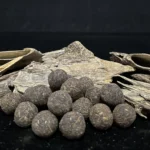
An appealing bakhoor sample does not prove that a supplier can reproduce the same aroma, burn performance, packaging quality, and delivery schedule at commercial scale. A poor supplier decision may only become visible after hundreds of units arrive with inconsistent fragrance, unstable burning, excessive smoke, leaking packaging, or damaged cartons.
The commercial consequences extend beyond replacement costs. Delays can disrupt a launch, incomplete costing can erase margin, and customer complaints can damage the brand you are trying to build. A successful bakhoor brand is not built on one impressive sample. It is built on a product that can be reproduced consistently across every commercial batch. The sourcing process must therefore test repeatability, documentation, and operational capability—not scent alone.
Start With the Product Your Market Will Actually Buy
Private label development should begin with a defined commercial proposition, not with a random selection of fragrances. When the target customer, usage occasion, price position, and scent direction are clear, the supplier can develop samples that match a real market opportunity rather than relying on personal preference alone.
Define the Customer and Usage Occasion
Start with who will use the product and why. Bakhoor Industry for daily home burning may require a different size, scent intensity, and price from a collector product or premium gift. Hospitality buyers may prioritise reliable diffusion and ease of use, while corporate gift suppliers may prioritise presentation and delivery dates. Define the sales channel, usage occasion, and intended position before discussing formula or packaging.
Choose a Fragrance Direction Before Requesting Samples
A useful fragrance brief describes the desired mood, intensity, sweetness, oud character, and notes to avoid. Its direction might be woody and resinous, sweet and amber-rich, floral oud, musky and warm, or fresh contemporary oud. No single profile fits every country or consumer group. Buyers can review The Art of Incense and Home Fragrance before preparing the brief.
Set the Intended Retail Price and Margin
Work backwards from a realistic retail price. Formula, weight, packaging, freight, taxes, marketplace fees, and distributor margin must fit within that ceiling. Establish the target landed cost and margin early, then ask which product and packaging combinations are commercially feasible.
Evaluate More Than the First Impression
An effective sample review must examine how the product performs throughout actual use. Buyers should apply the same evaluation method to every candidate so that fragrance appeal, burn behaviour, and repeatability can be compared objectively before any product is approved.
Test Aroma Development From Cold Scent to Burn
Evaluate the full scent journey—cold scent before ignition, development during burning, response to increasing heat, and aroma remaining in the room. Record observations consistently and test samples under comparable conditions. A fragrance that smells excellent in its container may diffuse differently when burned.
Examine Burn Performance and User Experience
Review ignition, smoke level, heat response, aroma diffusion, burn duration, residue, and ease of handling. Consider whether customers need instructions or accessories. Avoid arbitrary technical numbers without evidence; the standard should reflect an approved user experience that both parties can evaluate during quality control.
Compare the Approved Sample With the Production Batch
Compare production units with the approved sample. Keep a retained sample, record written approval, assign a batch reference, and agree how variation will be judged. Natural materials may vary, but unexplained changes in scent, texture, smoke, or packaging should not become the buyer’s problem after shipment.
Turn the Sample Into a Written Product Standard
Verbal approval is too vague for commercial production. Once a sample is accepted, its important sensory, physical, and packaging characteristics should become a written product standard that guides quality control and provides a common reference for both buyer and supplier.
Document the Formula and Physical Specifications
The buyer does not need the manufacturer’s confidential formula. The written standard should control the result, including product form, weight, texture, colour range, fragrance direction, burn characteristics, packaging format, and label requirements. Add photographs and approved artwork where words are insufficient.
Set Acceptable Variation and Quality Checks
Natural ingredients can show reasonable variation in colour, texture, or aromatic nuance, but acceptable limits should be agreed before production. Define checks during preparation, forming or filling, packing, and final inspection. Also establish how out-of-range results will be handled.
Create a Golden Sample for Future Orders
The golden sample is the jointly approved reference for aroma, appearance, weight, packaging, and user experience. Both parties should retain an identified version and use it for the first commercial batch and repeat orders. This helps prevent gradual, unnoticed changes.
Verify the Supplier Can Support Commercial Growth
Product quality alone is not enough if the supplier cannot maintain it as order volume increases. Commercial buyers should verify operational capacity, raw-material continuity, lead times, price structure, and production evidence before depending on a manufacturer for a launch or repeat-order programme.
Review Production Capacity and Lead Time
Making samples differs from delivering hundreds or thousands of consistent units. Ask about sample development time, production lead time, monthly capacity, repeat-order capability, raw-material availability, and peak-season constraints. Use a Workshop Gallery as an initial reference, then request current evidence relevant to the order.
Understand MOQ and Price Breaks
The lowest MOQ does not guarantee the best quality or landed cost. Small orders can raise packaging, printing, and freight costs per unit, while larger orders increase inventory risk. Request quotations at several volumes and compare unit price, packaging options, production time, shipping efficiency, and cash exposure.
Request Evidence of Actual Operations
Ask for workshop photographs, a live production call, packaging examples, batch-preparation videos, relevant export experience, and an explanation of quality control. The purpose is to verify how the order will be made and handled. Review the supplier’s Experience and Portfolio where available.

Build Packaging That Protects the Product and the Brand
Private label packaging performs two jobs at once—it presents the brand and protects the bakhoor until it reaches the customer. Material selection, closure, labelling, retail presentation, and shipping protection should therefore be developed as part of the product system rather than treated as decoration added at the end.
Choose Packaging for Function Before Decoration
Packaging should preserve aroma, texture, cleanliness, and physical condition. Assess closure integrity, internal contact materials, handling resistance, and suitability for the product form. Decoration matters, but a package that leaks fragrance, opens in transit, or damages easily weakens the brand.
Prepare Labels for the Destination Market
Label requirements differ by destination, category, composition, and regulation. Buyers should verify product information, warnings, language, importer details, origin statements, and barcode needs with qualified local advisers or authorities. The supplier can prepare artwork from confirmed instructions, but compliance should not rest on assumption.
Approve the Final Packaging Before Mass Production
Approve digital artwork and, where practical, a physical packaging sample. Check spelling, colours, dimensions, barcode readability, fit, closure, label position, and required marks. Verify shipping-carton unit count, strength, internal protection, markings, and packing arrangement before mass production.
Calculate the Real Cost Before Confirming the Order
A viable wholesale order depends on the final landed cost, not only the supplier’s unit quotation. Buyers should combine all production, packaging, transport, import, and local handling expenses before confirming volume, payment terms, or the retail margin expected from the product.
Look Beyond the Unit Price
Calculate landed cost using product cost, packaging, custom printing, sampling, freight, insurance, import duties, customs charges, local delivery, and warehousing. Similar unit prices can produce different landed costs, so confirm what is included and which packaging or freight assumptions may change.
Clarify Payment and Shipping Responsibilities
Review quotation validity, payment stages, approvals, the selected Incoterm, shipping responsibilities, expected documents, and excluded costs. Record them clearly. Obtain professional advice for market-specific legal, tax, customs, or financial questions, and review Shipment Documentation and Partnership when preparing an export discussion.
Plan the First Order as a Controlled Market Test
The first order should test customer response and production consistency without creating unnecessary inventory. Limit SKUs, select commercially relevant profiles, and define success criteria. A controlled launch reveals repeat purchase, fragrance preferences, packaging feedback, and price acceptance before expansion.
Build Your Private Label Bakhoor With a Verifiable Process
The safest route from concept to commercial order is a documented sequence of briefing, feasibility review, sampling, revision, approval, and production. This process allows both parties to identify problems early and keeps creative choices connected to clear purchasing decisions.
Prepare a Commercial Bakhoor Brief
Send the supplier your target market, customer profile, fragrance direction, product size, packaging preference, target retail price, estimated quantity, destination country, and launch date. This creates a practical basis for feasibility, sampling, and quotation.
| Private Label Bakhoor Development Brief |
| Include your target market, preferred fragrance family, product format, packaging preference, estimated order quantity, target price positioning, destination country, and launch timeline. |
Develop and Approve the Sample
A controlled development process normally follows eight stages
- The buyer submits a product brief.
- The supplier reviews feasibility.
- Both parties agree on the sample direction.
- The supplier produces the sample for evaluation.
- Both parties document any revisions.
- The buyer approves the golden sample.
- Both parties confirm the commercial quotation.
- Production begins after written approval.
This sequence keeps creative decisions, purchasing controls, and revisions traceable.
Start a Wholesale Conversation With Masantara Oud
Masantara Oud works with wholesale buyers to clarify product direction, sample expectations, packaging requirements, and commercial order considerations before production is confirmed. As an Indonesia-based company, it can discuss wholesale bakhoor, private label development, packaging, and export requirements for the proposed project.
Review the Bakhoor Wholesale or Private White Label pages, then share enough commercial context for an initial assessment.
Request a Private Label Bakhoor Sample
Share your target market, preferred fragrance direction, estimated quantity, and packaging needs so the team can review the project before sample development.
Discuss Your Wholesale Bakhoor Project through the Contact Trade Team.