Worldwide Shipping Available via DHL Express
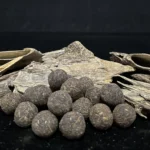
Oud confuses new buyers because two very different products share one name. Pure oud oil is a distilled agarwood extract sold by the gram. Oud perfume is a blended composition where agarwood sits among dozens of other materials, suspended in alcohol. They smell different, behave differently on skin, and serve entirely different buyers.
Masantara Oud works directly with agarwood from multiple Indonesian origins and across several resin grades, distilling and evaluating material at source. That firsthand exposure to raw wood, distillate, and finished blends shapes the comparison below.
A Comparison of Oud Oil and Oud Perfume
| Comparison Factor | Oud Oil | Oud Perfume | Why The Difference Exists |
|---|---|---|---|
| Raw material concentration | 100% distilled agarwood oil, no carrier | Typically 2–20% oud accord within a wider formula | Oud oil is the extract itself; perfume uses oud as one note among many, diluted into an alcohol base for wearability |
| Production method | Soaking, fermentation, then hydro or steam distillation of resinous wood over days or weeks | Blending of naturals, aroma molecules, and fixatives into ethanol, followed by maceration | Distillation physically separates volatile resin compounds from wood fiber; perfumery is a compositional craft, not an extraction one |
| Fragrance complexity | Deep but linear, driven by sesquiterpenes and chromones native to the resin | Structured in top, heart, and base accords with deliberate progression | A single-material oil evolves only as its own compounds volatilize; a perfume evolves because the perfumer stacked ingredients with different evaporation rates |
| Longevity | 12–24 hours, often detectable the next morning | 6–12 hours depending on concentration tier | Oud oil molecules are heavy and non-volatile, clinging to skin lipids; alcohol-based perfume loses its lighter top and heart notes first |
| Projection | Intimate, close to skin, blooming slowly with body heat | Strong initial sillage that settles into a moderate trail | Alcohol flashes off rapidly, launching aromatic molecules into the air; neat oil has no such propellant |
| Skin interaction | Highly reactive, shifting with pH, oil production, and diet | Comparatively stable across wearers | An undiluted natural oil has nothing buffering it from skin chemistry; perfume formulas include fixatives and solvents that stabilize the profile |
| Aging potential | Improves for years as harsh volatiles dissipate and resin notes round out | Generally peaks within its shelf life, then degrades | Oud oil continues slow oxidation and molecular rearrangement; finished perfume contains alcohol and synthetics that eventually destabilize |
| Cultural use | Applied neat to pulse points, beard, or clothing; central to Gulf hospitality and prayer | Worn as a conventional spray fragrance in daily and formal settings | Traditional Middle Eastern use predates alcohol-based perfumery and treats oud as a personal, ritual material |
| Luxury positioning | Collector-grade, valued by origin, grade, and distiller reputation | Designer and niche houses, valued by brand and composition | Oil is judged as a raw natural commodity; perfume is judged as a creative and branded product |
| Price range | Roughly $80–$1,000+ per 3ml depending on grade and origin | Roughly $60–$400 per 50–100ml bottle | Wild resinous agarwood is scarce, slow-forming, and CITES-regulated; perfume dilutes that cost across a large volume of alcohol |
| Best user profile | Collectors, purists, traditional wearers, those who want unmediated agarwood scent | Everyday wearers, office and social use, those who want structure and approachability | Ted |
| Example from Masantara Oud | Single-origin distilled agarwood oil offered by grade and region, sold in small ampoules | Oud-forward blended compositions built around the house’s own distillate | Masantara Oud sources and distills its own material, so both the pure oil and the perfume trace back to identified wood |
Explain What Makes Oud Oil Different From Oud Perfume
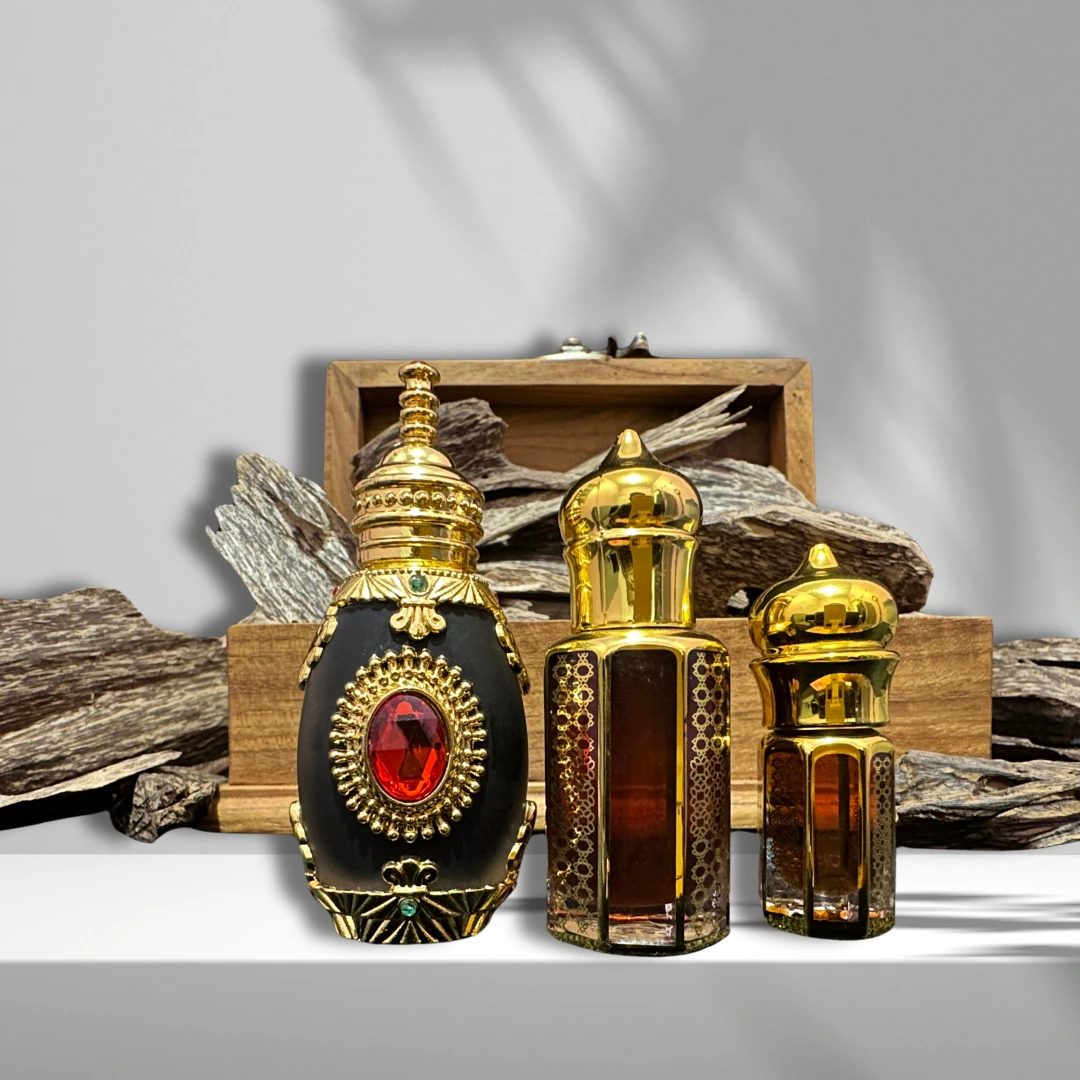
The distinction is one of material versus composition. Pure oud oil is a single natural extract. Oud perfume is an architecture in which agarwood plays a role, sometimes the lead, often a supporting one. That difference agarwood oil and agarwood prefume cascades into everything else. Concentration, longevity, projection, price, and cultural meaning all follow from whether you are wearing the raw material or an interpretation of it.
Understand Why Natural Origin Changes The Entire Fragrance Experience
One of the biggest differences between oud oil and oud perfume lies in their connection to the original agarwood material. Every natural oud oil reflects the characteristics of the tree from which it was produced, including species, geographic origin, resin formation, harvesting practices, and distillation methods. A wild Indonesian agarwood oil can smell dramatically different from a cultivated Cambodian or Indian oud oil because each source develops its own unique chemical profile. Factors such as climate, soil composition, microbial activity, and resin maturity influence the concentration of aromatic compounds present in the wood.
See Our Products: Pure Oud Oil
Understand How Oud Oil Delivers A Pure Agarwood Experience
Unlike conventional fragrances, oud oil offers a direct connection to the natural aroma of agarwood without the influence of alcohol, synthetic aroma compounds, or supporting fragrance notes. Every drop reflects the unique characteristics of the resin-rich wood from which it was distilled, allowing wearers to experience the true depth, complexity, and authenticity of agarwood.
Explain How Distillation Creates Natural Oud Oil
Agarwood forms only when an Aquilaria tree is wounded and colonized by fungi. The tree defends itself by depositing resin into the affected heartwood over years or decades. That resin carries the aromatic compounds — sesquiterpenes, chromones, agarospirol, jinkoholic derivatives — that give oud its character.
Distillers grind the resinous wood, soak and ferment it in water for days, then run hydro or steam distillation for anywhere from several days to several weeks. Heat and steam carry the volatile resin fractions out of the wood; condensation and separation yield the oil. The process is slow and yields are punishing. Producing a few tolas of oil can consume tens of kilograms of graded wood.
Because the oil is nothing but those extracted compounds, its scent is a direct report from the wood. Soil, species, resin age, fermentation length, and distillation temperature all leave fingerprints in the final agarwood oil.
Discover Why Oud Oil Changes On Different Skin Types
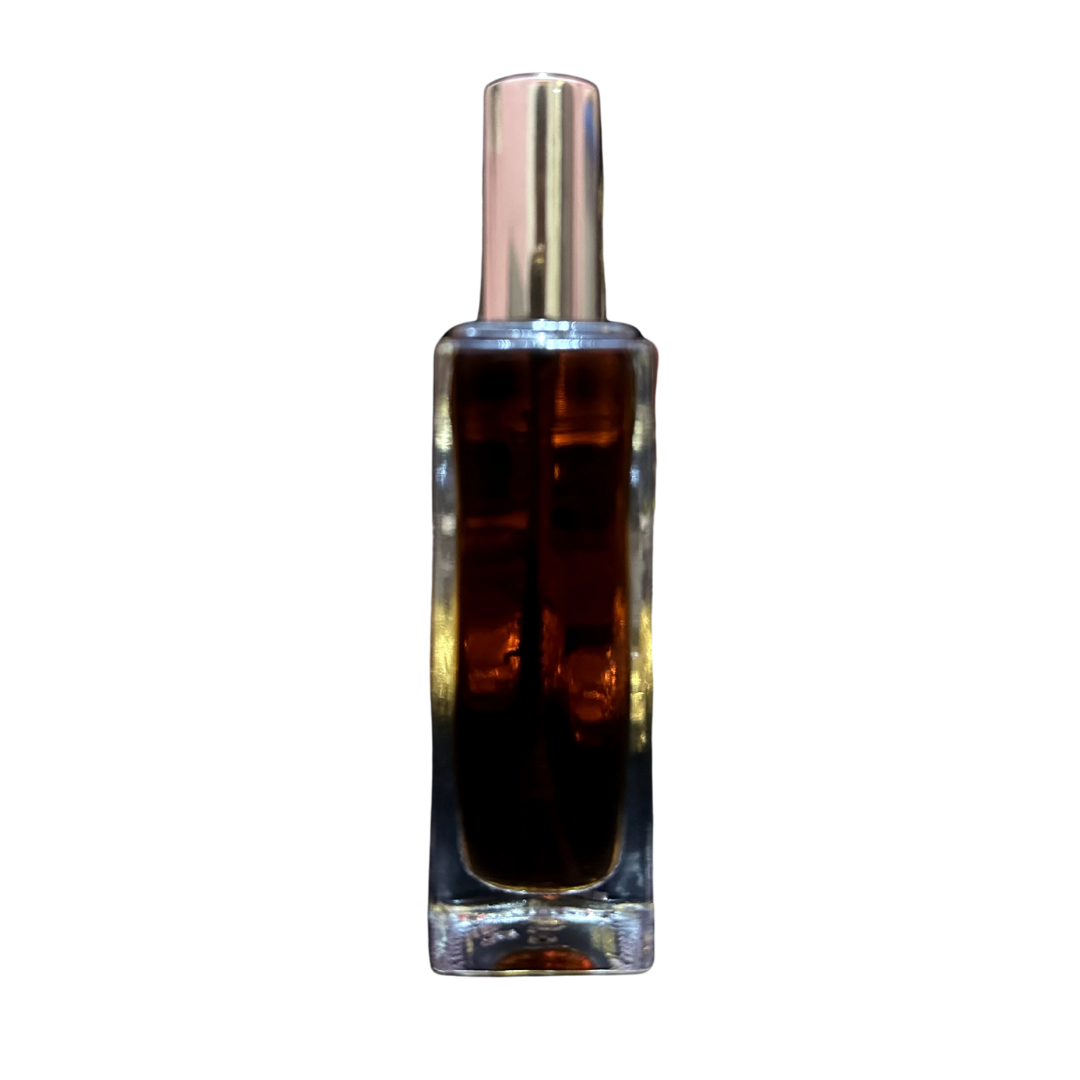
Neat oud oil sits directly on skin with no solvent between it and your biology. Sebum content, surface pH, hydration, and even recent diet alter how individual compounds volatilize and how you perceive them.
A drier skin holds less pure oud oil at the surface and can push the barnyard or fermented opening more sharply. Oilier skin tends to hold the woody, resinous heart longer and mute the animalic top. This is why two people wearing the same pure oud oil report genuinely different experiences — and why serious buyers test on their own skin before committing.
Learn Why Oud Perfume Offers Greater Versatility
Oud perfume comparison has become increasingly popular because it combines the richness of agarwood with the flexibility of modern fragrance design. Rather than presenting oud as a standalone material, perfumers blend it with complementary notes such as rose, saffron, amber, vanilla, sandalwood, citrus, or musk to create a more balanced and approachable scent profile. This allows oud fragrances to suit a wider range of occasions, climates, and personal preferences
Understand How Perfumers Build Complex Fragrance Structures
A perfumer selects materials by volatility. Citrus, aldehydes, and light spices flash off first as top notes. Florals, saffron, and rose form the heart. Woods, resins, musks, and oud anchor the base.
Because each material evaporates at a different rate, the composition unfolds over hours. That planned evolution is the entire point of an oud fragrance — it gives the wearer a narrative arc that a single-material oil cannot deliver. Rose and oud, saffron and oud, incense and oud are enduring pairings precisely because the surrounding materials frame the agarwood rather than compete with it.
Explore How Alcohol Changes Projection And Sillage
Ethanol is volatile. When you spray a perfume, the alcohol evaporates almost immediately and carries aromatic molecules into the air around you. That burst is what creates sillage — the trail people notice when you walk past.
Neat oud oil has no such propellant. It stays where you put it, warming slowly with body heat and radiating within arm’s length. Neither behavior is superior; they simply serve different social intentions.
See Our Products: Oud Perfumes
Compare Longevity Projection And Fragrance Development
Oud oil outlasts oud perfume because its molecules are heavy and cling to skin lipids rather than escaping into the air. Twelve to twenty-four hours is normal, and traces often survive washing.
A concentrated perfume oil or extrait will outperform an eau de toilette, but alcohol-based fragrance loses its lighter fractions first. What remains after eight hours is the base — often the oud accord itself, now stripped of its opening.
Development is the reverse trade. Perfume gives you a shifting composition. Oud oil gives you a slow, mostly linear deepening as the sharper volatiles burn off and the resinous core settles in.
Examine The Cultural And Luxury Value Behind Each Option
In the Gulf, agarwood oil is applied neat to the wrists, behind the ears, or to a bisht, and burned as chips during hospitality and prayer. It functions as a marker of status and generosity, and its value tracks the wood — origin, grade, distiller.
Western luxury perfumery frames oud differently. Here the value sits in the brand, the perfumer, the bottle, and the concept. Both markets are legitimate. Understanding which one you are buying into prevents disappointment.
Understand How Pricing Reflects Production And Scarcity
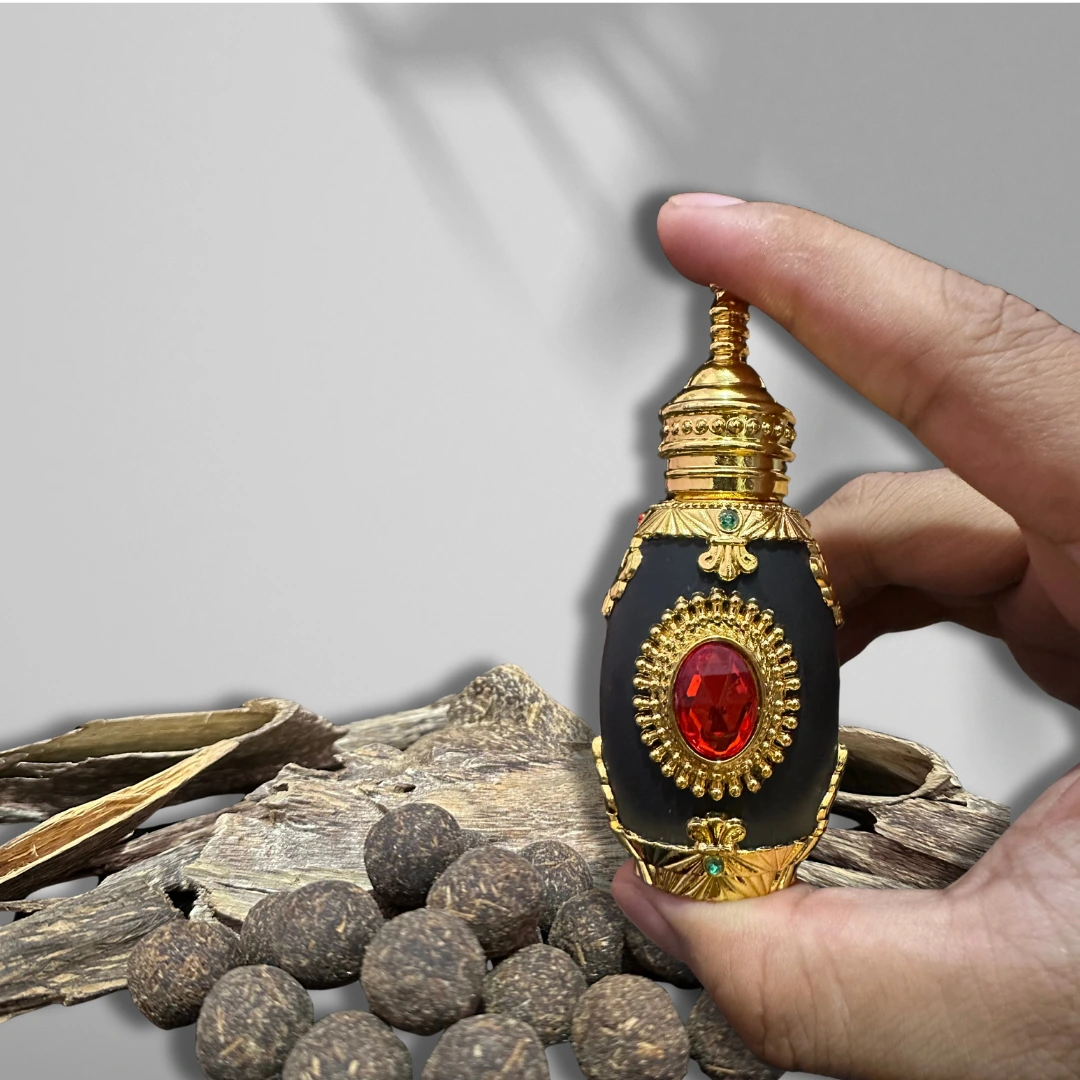
Wild resinous agarwood is one of the most expensive raw materials on earth. Trees take decades to build usable resin, only a fraction of trees become infected, harvesting is regulated under CITES, and distillation yields are low.
An oud perfume spreads that raw material cost across a large volume of ethanol and supporting ingredients. A gram of pure oud oil does not. When a bottle of “oud” perfume costs less than a gram of oil, the answer is usually synthetic reconstruction — which is a valid perfumery choice, but it is not the same product.
The Option That Matches Your Fragrance Goals
Choose agarwood oil if you want the unmediated agarwood scent, you value origin and grade, you intend to collect or age your material, you follow traditional Middle Eastern application, or you want maximum longevity in an intimate radius.
Choose oud perfume if you want a structured composition with recognizable evolution, you need projection in social or professional settings, you prefer spray application, or you are approaching oud for the first time and want an accessible entry point.
Many enthusiasts eventually own both. Masantara Oud offers single-origin distilled oils for collectors who want to read the wood directly, alongside oud-forward compositions built on that same house distillate for wearers who want structure and reach. Starting with a small ampoule of graded oil is the fastest way to calibrate your own preference — once you know how real agarwood behaves on your skin, every oud fragrance you evaluate afterward makes more sense.