Worldwide Shipping Available via DHL Express
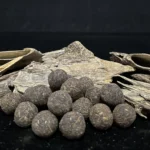
Choosing to import agarwood from Indonesia means entering one of the world’s most biodiverse agarwood-producing ecosystems. It also means navigating a legally complex regulatory environment. Indonesia is one of the world’s most significant sources of both wild and cultivated agarwood. Key producing species include Aquilaria malaccensis, Aquilaria microcarpa, Aquilaria beccariana, and Gyrinops verstegii, among others. Each species and each region produces material with distinct aromatic and resinous characteristics. Understanding this diversity — and its implications for grading, documentation, and quality verification — is essential before placing any order.
Why Agarwood from Indonesia Requires Specific Legal Documentation
Customer, here is what experienced traders tell every buyer looking to import agarwood from Indonesia: the product itself is only half the equation. Documentation, compliance, and the right questions make up the other half. Know these before any goods leave the country of origin. This guide is written for buyers at the professional level. Whether you are an importer, wholesale trader, private collector, or procurement manager, this guide applies to you. It provides a clear, practical understanding of what sourcing Indonesian agarwood actually involves.
The Role of CITES in International Agarwood Trade
CITES lists agarwood — known locally as gaharu — under Appendix II of the Convention on International Trade in Endangered Species (CITES), the international treaty that regulates trade in wildlife and plant species that may be threatened by commercial exploitation. Appendix II does not prohibit trade. However, it requires that all trade be controlled and documented through a permit system. Each country’s national CITES Management Authority administers this system.
Every documented transaction to import agarwood from Indonesia must therefore pass through this regulatory gateway. In Indonesia, this authority is the Directorate General of Nature Conservation and Ecosystem (KSDAE). It operates under the Ministry of Environment and Forestry (KLHK). Every legal export of agarwood from Indonesia must be accompanied by a CITES export permit issued by this authority. Without this document, the shipment cannot legally enter most destination countries. Attempting to import without a valid CITES export permit creates legal risk. This risk falls on the buyer in their own jurisdiction, regardless of how the supplier presents the transaction.
In practice, a CITES export permit is not simply a formality. Each permit specifies quantities, species, and product forms — chips, whole pieces, powder, or oil. Mismatched permit descriptions cause customs complications. A buyer ordering agarwood chips who receives documentation referencing oud oil is a clear example. This permit-to-goods mismatch is one of the most common documentation errors in agarwood trade. Experienced buyers check for it proactively.
Indonesian Forestry Regulations and Harvest Documentation
Beyond CITES, Indonesia’s domestic regulatory framework governs whether the agarwood was legally harvested and sourced. Government Regulation No. 7 of 1999, along with subsequent KLHK regulations, establishes the legal framework for the collection, transport, and export of gaharu. Buyers should be aware of this regulatory context when evaluating supplier documentation. Permit names and requirements are subject to regulatory updates. Buyers and suppliers should verify current requirements with KLHK or a licensed trade consultant. For plantation-grown agarwood, suppliers must provide documentation confirming that the plantation is registered and legally operating.
Many international buyers discover this only after a transaction is already underway. In some documented cases in the industry, CITES permits have been issued without complete underlying harvest documentation. Before committing to a purchase, experienced buyers ask suppliers to confirm the full chain of documentation. This runs from harvest authorization through to the final export permit.
What the Complete Export Document Package Looks Like
For a professionally managed export, buyers should expect a specific set of core documents. The essential paperwork includes the CITES export permit from KLHK and a phytosanitary certificate. Buyers should obtain a Certificate of Origin from a relevant trade authority. Additional documents include a commercial invoice, a packing list, and an airway bill or bill of lading, depending on shipping method. For oud oil specifically, a GC-MS laboratory report from an accredited facility is increasingly standard for professional buyers.
Some destination countries impose additional import requirements. These go beyond what Indonesia requires for export. The UAE, Saudi Arabia, and other GCC countries may require import health certificates. They may also have specific inspection requirements. Japan and European markets may require specific declarations. These typically relate to species identification and geographic origin. It is the buyer’s responsibility to understand the import requirements of their own country, and a supplier who claims that destination-country paperwork is “not necessary” or “handled automatically” is providing inaccurate guidance.
Understanding Agarwood Grading and Why It Varies Between Suppliers
Grading is one of the most consequential — and most misunderstood — aspects of buying agarwood from Indonesia. Unlike coffee or tea, which are traded under internationally recognized grading frameworks, agarwood has no single global standard: the same grade name can describe very different material depending on the supplier, the origin island, and the intended market. Buyers who understand this variability before placing an order are far better positioned to evaluate offers, request the right samples, and build a supply relationship that delivers consistent quality.
Why There Is No Universal Grading Standard
One of the most frequent misunderstandings in agarwood trade is the assumption that grading terms like “Super,” “A Grade,” “Double Super,” or “Premium” have consistent meanings across different suppliers and regions. They do not. Unlike coffee, tea, or cotton, which have internationally standardized grading systems, agarwood has no single globally recognized grading framework. Each supplier may use their own internal classification. The same grade label can refer to very different material, depending on origin, production method, and intended market.
Experienced buyers often discover this reality early. Their first sample from a new supplier often does not match grade-name expectations. This is especially common when sourcing for Middle Eastern or East Asian markets. “Grade A” from Kalimantan and “Grade A” from Papua can differ significantly. Resin content, aroma profile, and wood density may all vary between origins. Grade terminology opens a conversation. It does not guarantee a specification.
A more reliable approach is to evaluate agarwood by the underlying characteristics that actually determine its quality. These include resin content and distribution, visual density and color, species identity, geographic origin, and aromatic profile when burned under low heat. Buyers who understand these parameters are better positioned to compare offers. Relying solely on grade names leaves significant room for misunderstanding.
Regional Origin and How It Affects Quality Characteristics
Indonesia’s agarwood-producing regions each produce material with distinct characteristics. Kalimantan agarwood, sourced from Borneo, is typically associated with warm, woody, and earthy aromatic profiles. Papua and Maroke agarwood comes from Indonesia’s easternmost provinces. It tends toward deeper, more complex profiles. Industry practitioners widely regard it as among the rarest wild material available from the country. Sumatra-origin agarwood tends toward lighter profiles and is often more accessible in the mid-grade market. Cultivated plantation agarwood is legal, documented, and increasingly important for sustainable supply. It typically produces lighter aromatic profiles than wild material of equivalent visual density.
Middle Eastern buyers, who often use agarwood chips in traditional burning practices (bakhoor), generally prioritize deep resin content and extended aromatic smoke duration. East Asian buyers — particularly from Japanese and Chinese markets — often seek different characteristics, including visual elegance, specific grain patterns, and lighter aromatic profiles suitable for direct appreciation rather than burning. A supplier who understands their buyer’s end market is better positioned to make accurate recommendations. A supplier who offers the same material to every market regardless of application is one worth questioning.
For a detailed technical reference on wild agarwood from Papua’s ancient forests, see the guide to wild agarwood from Indonesia’s Papua region. Buyers can find an overview of the Maroke origin — among the most sought-after wild material globally — at The Ultimate Guide to Maroke Agarwood.
GC-MS Analysis for Oud Oil and What It Tells Buyers
For buyers sourcing oud oil specifically, GC-MS (Gas Chromatography-Mass Spectrometry) analysis has become an important verification tool at the professional level. A provides strong chemical evidence that can support or question the authenticity of an oud oil sample when interpreted by a qualified analyst
In industry experience, buyers who request GC-MS documentation before finalizing large oud oil orders gain meaningful protection against adulteration. The report does not reveal everything about aromatic quality. Organoleptic evaluation by an experienced nose remains important. However, the report does confirm that the biochemical composition is consistent with genuine agarwood distillation. Experienced buyers often request GC-MS reports alongside physical samples. They evaluate both the laboratory data and the sensory characteristics before committing to bulk quantities. For technical reference on grading and GC-MS standards in the Indonesian market, see the pure oud resin grading and GC-MS standards guide.
Common Mistakes First-Time Agarwood Importers Make
Most costly errors in agarwood importing are not caused by bad luck — they are caused by assumptions that experienced buyers stopped making long ago. First-time importers routinely underestimate the documentation requirements, overestimate the consistency of grade labels, and make purchasing decisions based on price before verifying the quality and legal standing of what they are buying. Understanding where these mistakes typically occur is the most direct way to avoid them.
Purchasing Without Verifying CITES Documentation
Buyers who choose to import agarwood from Indonesia without first understanding the documentation requirements often encounter problems that could have been avoided with basic research.
The most serious and consequential mistake a first-time agarwood importer can make is completing a purchase without confirming CITES export documentation in advance. Many buyers assume that documentation is a routine formality. This is particularly common among buyers approaching the market through informal networks or online marketplaces. In reality, Indonesian authorities must issue a CITES permit before any shipment departs. Delays, quantity limits, or conditional issuance that affect the shipment timeline or specification.
Buyers who skip documentation verification face real consequences. They may receive goods that cannot legally enter their country. Documentation mismatches also cause costly customs delays. In many jurisdictions, importing CITES-listed species without permits is a regulatory offense. The buyer’s knowledge or intent does not remove this liability. This is not a risk that any serious buyer should accept.
The regulatory information above is provided for educational purposes. Requirements vary by jurisdiction and change over time. Buyers are strongly advised to consult qualified legal counsel in their country of import.
Misreading Grading Labels Without Requesting Samples
Grade names without physical samples are marketing labels, not product specifications. Buyers new to the agarwood market often place orders based solely on supplier descriptions or photographs. This is a common early mistake. Photographs cannot accurately represent resin content, density, or aroma. They also cannot represent the actual material in a bulk lot, even when the images are high quality. What is shown in a promotional image may not represent the actual quality and appearance of the lot being offered.
Many experienced buyers operate on a strict policy: no bulk order without a physical sample, evaluated by their own team or a trusted evaluator. Requesting a sample before placing a bulk order is not a sign of distrust. It is standard professional practice in this trade. Agarwood is naturally variable. Even honest, experienced suppliers cannot guarantee that every lot will be identical to a previous one. Buyers who understand this variability tend to avoid significant disappointment.
Overlooking Destination-Country Import Requirements
A supplier’s job is to handle the Indonesian export side of the transaction correctly. Understanding the import regulations of the destination country is the buyer’s responsibility. Many first-time importers assume that proper Indonesian export documentation guarantees a smooth import. This assumption can be incorrect. This assumption can be incorrect. Some countries require an import permit for CITES Appendix II species that must be obtained by the importer before the goods arrive. Some markets require specific inspections, laboratory analysis at the port of entry, or phytosanitary clearances beyond what is standard in Indonesia.
A buyer in the EU, for example, faces specific CITES import permit requirements administered by their national authority. C in Japan faces a different regulatory structure. A buyer in the UAE operates under yet another framework. Researching destination-country requirements before placing an order — and confirming with a licensed customs broker or legal advisor if necessary — is a basic due diligence step that first-time importers often skip.
Choosing Based on Price Rather Than Verified Quality
Agarwood is not a commodity where price alone is a reliable quality indicator, but a price that is significantly below market norms for the claimed specification is almost always a warning sign. In industry experience, offers that seem too good to be true for premium or super-grade material are a warning sign. They typically reflect a lower actual grade than represented. Documentation mismatches and non-compliant sourcing channels are also known risk factors.
Buyers who focus primarily on price at the entry level tend to accumulate problematic lots. Difficult customs experiences and unsustainable supplier relationships often follow. Building a relationship with a reliable, documented, compliant exporter generally costs more in the short term. Over the medium and long term, however, it saves considerably more.
How Experienced Buyers Evaluate Agarwood Before Placing Large Orders
Buyers who have been importing agarwood for years do not rely on grade labels or supplier assurances alone — they have built a repeatable evaluation process that they apply consistently before any significant commitment is made.
That process combines physical sample inspection, controlled aroma evaluation, document review, and direct questioning of the supplier, each stage designed to surface information that marketing language tends to obscure. Understanding how this evaluation works gives any buyer — regardless of experience level — a practical framework for making better sourcing decisions.
Physical Sample Evaluation and What to Look For
Experienced buyers who have been importing agarwood for many years develop a consistent evaluation process for physical samples that goes well beyond visual inspection. Visual assessment comes first. This involves examining resin color distribution within the wood, the density of dark resinous areas, and overall consistency relative to the claimed grade.
Density observation is a useful preliminary indicator. High-resin agarwood typically sinks or sinks partially in water. Lower-grade material floats more readily. This test has limitations, however, and should not serve as the sole quality criterion. Wood structure, grain pattern, and the absence of insect damage or mold are also examined at this stage.
Aroma evaluation under controlled low-heat conditions — using a heated plate or similar method — reveals the aromatic profile of the material in a way that cold examination cannot. Experienced buyers pay close attention to how the aroma progresses under heat. They evaluate the initial notes, the mid-profile, and the lingering character separately. The evaluation depends heavily on the buyer’s familiarity with the origin and grade profile they seek. Middle Eastern buyers evaluate differently than East Asian buyers. Their criteria reflect different end uses and aromatic traditions.
Document Verification Before Any Financial Commitment
Before committing to a large order, experienced buyers request a complete document package from their supplier. Critically, this review happens before payment, not after, as part of the pre-order evaluation process. This means verifying that the supplier holds a valid ETPIK (Eksportir Terdaftar Produk Industri Kehutanan) export license from Indonesian authorities. It also means confirming that the supplier has a documented history of successful CITES permit issuance. Finally, the product specification in the commercial invoice must match what the CITES permit will describe.
Many experienced buyers work with a licensed customs broker on the destination end. This broker reviews Indonesian documentation before the shipment departs. The review step adds time upfront. It eliminates a significant category of risk in return. For reference on what verified supply chain documentation looks like in practice, see the guide on what it means to source from a verified global agarwood supplier.
Supplier Consistency and Track Record Assessment
A supplier builds their reputation over years of consistent delivery. This means consistent quality, documentation, communication, and resolution of the problems that arise in any complex international commodity trade. Experienced buyers assess a new supplier not just on their first sample or their first shipment, but on how they handle exceptions: a delayed permit, a quality variation from a sample, a shipping complication.
Asking for references from existing international buyers is standard practice. First-time buyers often skip this step. Experienced buyers rarely do. A supplier well-regarded in the Middle Eastern, European, or East Asian markets has earned that reputation through performance. Marketing materials alone do not build professional trust.

Questions Buyers Should Ask Before Ordering Agarwood
The questions a buyer asks before placing an order reveal as much about the supplier as any document or sample ever could. A supplier with genuine regulatory compliance, consistent grading practices, and verifiable sourcing will answer these questions directly and without hesitation — because they need the same information for their own export process. Buyers who make these questions a standard part of their procurement routine consistently report fewer surprises at the documentation stage and at customs.
The Professional Due Diligence Framework
Before placing any order for agarwood from Indonesia, a well-prepared buyer should have clear answers to the following questions. These questions serve as a structured due diligence framework — not a checklist of distrust, but a professional standard of verification that any experienced supplier will recognize and respect.
- What species of Aquilaria or Gyrinops is being offered, and can the species be confirmed on the CITES export permit?
- Is the material wild-harvested, cultivated from registered plantations, or a blend of both origins?
- Does your company hold a valid ETPIK (registered agarwood exporter) license, and can you provide a copy?
- Can you provide a CITES export permit for this specific order — and what is the typical lead time for permit issuance?
- What harvest or plantation documentation supports the origin of this material?
- Can you provide a phytosanitary certificate from the Indonesian Ministry of Agriculture as part of the standard document package?
- Is a Certificate of Origin available, and which authority issues it?
- For oud oil orders: can you provide a GC-MS report from an accredited laboratory for this specific batch or a reference batch?
- Which grading system does your company use, and how is each grade defined in terms of resin content and origin?
- Are physical samples available before a bulk order is confirmed? Ask about the cost and lead time for sample shipment.
- Can you provide references from international buyers who have completed verified shipments with your company?
- Regarding minimum order quantities for the grade being offered, is partial lot purchase possible for first-time buyers?
- How does your company handle documentation discrepancies or customs queries at the destination end?
- Please describe your payment terms and whether there is any provision for sample approval before full payment release.
Logistics, Packaging, and Export Readiness Questions
- Describe the packaging method used for agarwood chips, and how shipments are protected against humidity and aroma contamination during transit.
- Does your company have experience exporting to my specific destination country, and are you aware of any special import requirements there?
A supplier who cannot answer these questions clearly and completely — or who becomes evasive when documentation is discussed — is providing an important signal about their operational standards.
Red Flags Buyers Should Watch for When Choosing an Agarwood Supplier
Not every problem in an agarwood transaction announces itself clearly — but certain supplier behaviors, when observed early, are reliable indicators of deeper issues with compliance, documentation, or product integrity. Experienced buyers learn to treat these signals seriously, not as reasons for immediate rejection, but as prompts for significantly deeper scrutiny before any financial commitment is made. Knowing what to look for — and what it typically means — is one of the most practical skills a buyer can develop when entering the Indonesian agarwood market.
Inability to Explain the Origin of Their Material
A professional agarwood exporter should be able to explain, with reasonable specificity, where their material originates — the island of origin, the harvesting method (wild or cultivated), and the species. Professional procurement demands clear, specific answers. Phrases like “we source from the best forests” or “premium origins” without supporting detail indicate a lack of transparency. Legitimate exporters can provide this information. They need it for their own regulatory compliance.
This does not require disclosure of proprietary sourcing relationships or specific forest locations. It means confirming species, general region, and origin type. They should also provide documentation that supports those claims. Buyers in the Middle Eastern market tend to have considerable knowledge about agarwood. They often probe supplier origin claims specifically. A supplier who struggles to answer it consistently across multiple conversations is worth treating with caution.
CITES Documentation Can Be Provided as a Request
Watch for this clear red flag: a supplier who discusses CITES documentation but insists details can only be confirmed after full payment. Legitimate trade requires pre-shipment documentation confirmation. Before any financial commitment, buyers should confirm that the supplier can obtain the required permits. A supplier who cannot demonstrate this has a potential compliance problem. A supplier who cannot demonstrate this capacity in advance may be a supplier who does not reliably hold the necessary permits or regulatory standing.
Similarly, a supplier who provides CITES documentation that appears inconsistent with the actual shipment — different species, different quantities, or product descriptions that do not match the goods — is creating a compliance risk for the buyer. Careful review of permit details against the commercial invoice and packing list before shipment departure is a standard verification step that experienced buyers do not skip.
Grade Specifications That Change Between Discussions
Pay close attention when a supplier gradually modifies their product description across multiple communications. Changes to the grade, origin, resin content, or species without clear explanation are a meaningful warning sign. In the agarwood trade, material specifications for a given lot should be fixed at the time of offer. Changes in description that move the specification downward (e.g., from wild to cultivated origin, from one species to another, or from higher resin content to lower) without a corresponding price adjustment suggest that the original offer did not accurately represent the available material.
Experienced buyers document all supplier communications about product specifications and maintain records of what was represented versus what was delivered. This documentation protects both parties and establishes a clear basis for resolving any disputes that arise.
Lack of Verifiable Export Track Record
A supplier entering the international agarwood market for the first time may be entirely legitimate — but they also carry higher execution risk than a supplier with an established, verifiable export history. Buyers can assess this through several checks: asking directly for shipment references, verifying that the ETPIK license is current, and confirming whether the supplier can name destination countries and buyer types from their recent export history. Any supplier who cannot point to completed international transactions — or who becomes vague when asked — requires significantly more due diligence before a meaningful order should be placed. Buyers can find details in the overview of verified global agarwood supply standards.
Practical Checklist Before You Import Agarwood from Indonesia
The following checklist consolidates the core verification steps that experienced importers apply before committing to any agarwood shipment from Indonesia. It covers legal and regulatory requirements, supplier credentials, product verification, and document review — the four areas where most first-time importers encounter problems. Working through each item before payment is placed, not after, is what separates a well-structured procurement process from an expensive lesson.
Legal and Regulatory Verification
- ☐ Confirm that the product is correctly listed under CITES Appendix II and understand the implications for your destination country
- ☐ Determine whether your destination country requires an import permit for CITES Appendix II species, and obtain it before the shipment departs Indonesia
- ☐ Verify with your destination country’s customs authority or a licensed broker whether any additional phytosanitary or inspection requirements apply
- ☐ Ensure that agarwood is not subject to import bans, quantity restrictions, or licensing requirements in your jurisdiction
Supplier Verification
- ☐ Confirm that the supplier holds a valid ETPIK (registered forestry product exporter) license issued by Indonesian authorities
- ☐ Ask for documentation of the supplier’s CITES permit history — specifically their capacity to obtain permits for the product type and quantity you require
- ☐ Request references from at least two existing international buyers and follow up with those references
- ☐ Verify that the supplier’s company registration and physical business address are consistent and verifiable
Product Verification
- ☐ Request a physical sample before committing to a bulk order
- ☐ Evaluate the sample under controlled conditions — visual inspection, density observation, and aroma evaluation under low heat
- ☐ For oud oil: request a GC-MS laboratory report for the batch being offered
- ☐ Confirm species identity, regional origin, and harvesting method (wild or cultivated) in writing from the supplier
- ☐ Ask the supplier to confirm that the sample accurately represents the grade and lot from which the bulk order will be fulfilled
Document Verification
- ☐ Review a draft or sample CITES export permit to confirm that the species, quantity, and product description match your order
- ☐ Verify that a phytosanitary certificate from the Indonesian Ministry of Agriculture will be included
- ☐ Confirm that a Certificate of Origin will be issued and that it covers agarwood products
- ☐ Ensure that the commercial invoice, packing list, and CITES permit all describe the same product, quantity, and value consistently
- ☐ For oud oil: confirm that the GC-MS report references the same batch as the shipment
Shipping and Customs Preparation
- ☐ Engage a licensed customs broker at the destination end with experience in CITES-regulated commodity imports
- ☐ Agree on the shipping method, packaging standard, and expected transit time with your supplier before order confirmation
- ☐ Verify that the supplier uses packaging appropriate for agarwood — protection against humidity, compression damage, and aroma contamination
- ☐ Confirm whether the supplier or the buyer is responsible for handling any customs queries or inspections at the destination port
- ☐ Ensure that all documents travel with the shipment as originals, and that digital copies are shared with you before the shipment departs
What Agarwood Products Are Available for International Buyers
Indonesian agarwood reaches international buyers in several distinct product forms, each with different grading considerations, documentation requirements, and end-use applications. Understanding the difference between these product categories — and what each form demands in terms of verification and procurement process — helps buyers approach their sourcing with the right specifications from the outset. The product type being ordered also determines which documents are required and how the shipment will be classified under CITES export procedures.
Agarwood Chips and Whole Pieces
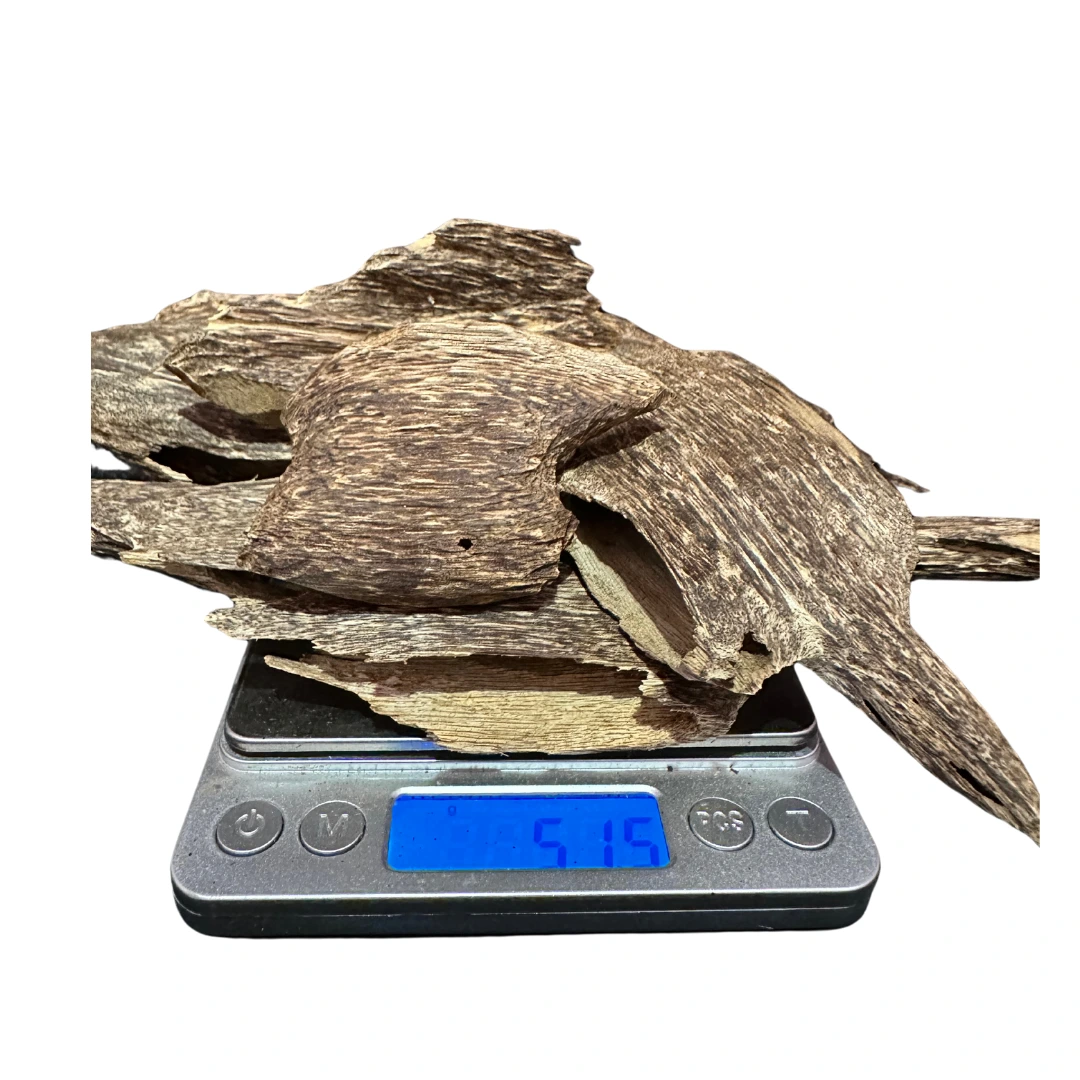
Agarwood chips (gaharu chips or bakhoor-grade wood) represent the largest volume segment of Indonesia’s agarwood export market. These are typically processed pieces of resinous agarwood wood, sorted by grade and sold by weight. The grades range from high-resin, dense material to lighter, lower-resin grades, each suited to different end uses and price points. Grade B agarwood chips for export represent a widely sourced tier for incense and bakhoor applications, offering accessible entry to the market without requiring premium-grade allocation. Whole agarwood pieces — typically larger, less processed sections of resinous wood — are sought by collectors and specialty markets.
Oud Oil and Resin Products
Oud oil is distilled from agarwood through hydro-distillation or steam distillation processes. The quality of the resulting oil depends on several factors. The most significant are the quality of the raw material, the distillation technique used, and the duration of distillation. Professional distillation protocols significantly influence whether the final oil represents the true aromatic character of the source material. Agarwood resin — the dense, highly concentrated aromatic material extracted from the most heavily infected sections of agarwood — is covered in detail in the guide to oud resin as a high-value agarwood product.
Wholesale and Bulk Procurement Options
Buyers planning to import agarwood from Indonesia for wholesale redistribution, manufacturing, or institutional procurement typically require consistent supply across multiple orders. Agarwood wholesale from Indonesia involves considerations that differ from retail procurement — specifically, the need for consistent grading standards across lots, reliable CITES permit availability for the quantities required, and a supplier with sufficient capacity and documentation infrastructure to support repeat orders. For buyers new to the Indonesian agarwood market and evaluating suppliers, the overview of Indonesian agarwood suppliers and sourcing standards provides useful context.
Industry Insights That Help Buyers Successfully Import Agarwood from Indonesia
Certain patterns separate buyers who build reliable agarwood supply chains from those who repeatedly encounter the same preventable problems — and most of those patterns come down to process, not luck. The insights in this section reflect how professional procurement actually works in the Indonesian agarwood trade: how samples are handled, how supplier relationships are structured over time, and how experienced buyers manage the natural variability that is inherent to any biological commodity. Applying even a few of these practices consistently will change the quality of sourcing outcomes.
Why Sample Approval Is Non-Negotiable for Professional Buyers
In the professional agarwood trade, the phrase “trust but verify” understates the importance of physical sample evaluation. Agarwood is a naturally variable biological product. Even within a single lot from a single source, material can vary meaningfully in resin distribution, density, and aromatic character. Buyers who accept representations without physical evaluation are accepting a level of uncertainty that experienced buyers generally refuse.
The sample process in professional transactions typically involves several steps. These include a paid sample shipment with documented specifications, evaluation against the buyer’s quality benchmark, written approval confirmation, and bulk order placement referencing the approved sample specification. Any significant deviation of the bulk shipment from the approved sample is a legitimate basis for discussion or recourse. This structure is standard in mature commodity markets.
Natural Variability and What It Means for Consistent Supply
Many buyers approaching the Indonesian agarwood market for the first time expect the consistency of a manufactured product. Agarwood does not come from a factory. It forms through a biological process over years or decades, under conditions that vary by tree, by forest, by season, and by the specific infection event that causes resin formation. This natural variability means that absolute consistency across large quantities and across multiple orders is generally not achievable, even from the most reliable and professional suppliers.
Understanding this is not a reason to accept poor quality or misrepresentation. It is a reason to set realistic expectations about lot-to-lot variation, to build sample approval processes into procurement workflows, and to develop long-term supplier relationships where both parties understand the characteristics and limitations of the material being traded. Buyers who understand this dynamic build more productive supplier relationships. Clear communication of expectations — adjusted to account for natural variability — makes a significant difference.
Market Preference Differences by Region
Buyers from Gulf Cooperation Council countries — Saudi Arabia, UAE, Kuwait, and Qatar — typically prioritize heavy resin content. They also seek strong aromatic projection and extended smoke duration when burning. These buyers often seek material for traditional bakhoor applications, where aromatic intensity and smoke duration are valued. Grade descriptions in the Middle Eastern market tend to emphasize resin loading and the characteristics of the burned smoke.
Japanese buyers, by contrast, have historically valued agarwood in the context of kodo — the traditional art of appreciating incense. In this context, subtlety, clarity, and specific aromatic characteristics associated with particular origins are paramount. The visual quality of the wood — grain, color, and form — also carries weight in Japanese appreciation markets in a way that differs from Middle Eastern purchasing criteria.
Chinese buyers — particularly those sourcing for the growing high-end collector and incense market in mainland China — tend to evaluate agarwood against a different set of criteria. This reflects traditional Chinese medicine heritage and distinct aesthetic traditions. Experienced buyers address this question early in supplier qualification. They verify whether the supplier’s grading approach aligns with their specific target market.
Frequently Asked Questions About How to Import Agarwood from Indonesia
The questions below address what buyers most consistently ask when entering the Indonesian agarwood market — from permit timelines and minimum order quantities to document requirements and product verification. Answers reflect how the trade actually operates, with variability noted where requirements differ by jurisdiction or product type.
What is the minimum order quantity for exporting agarwood from Indonesia?
Minimum order quantities vary by supplier and product type. Generally, established exporters prefer to work with orders of sufficient size to justify the administrative cost of CITES permit processing and international shipping. For agarwood chips, commercially viable export quantities typically start at several kilograms for air freight and larger quantities for sea freight. Buyers new to the market should confirm minimum quantities directly with their supplier and factor permit processing timelines into their order schedule.
How long does it typically take to process a CITES export permit in Indonesia?
Processing timelines depend on the workload of the Indonesian CITES Management Authority and the completeness of the supplier’s documentation. In general industry experience, processing can range from several days to several weeks. Buyers working against a deadline should discuss timelines with their supplier early. Permit issuance is not guaranteed within any specific timeframe.
Is it possible to import agarwood for personal use without commercial documentation?
CITES regulations govern personal-use imports of listed species, regardless of intended use. Destination country implementation of the treaty determines quantity limits for personal-use imports and whether a CITES import permit applies. Buyers — even those purchasing for personal collections — should verify the import requirements of their destination country before ordering. Assuming that personal-use quantities are exempt from CITES requirements is a common and potentially costly mistake.
What is the difference between wild and cultivated agarwood for export purposes?
CITES lists both wild-harvested and cultivated agarwood under Appendix II, and both require export permits. The documentation requirements differ in that wild material requires harvest permits from Indonesian forest authorities, while cultivated material requires documentation confirming that the plantation is legally registered and operating. In terms of product characteristics, wild and cultivated agarwood typically differ in aromatic profile, resin distribution, and price — but the specific differences depend on the species, origin, and production methods involved and may vary considerably between samples.
Can buyers visit Indonesia to inspect material before ordering?
Larger buyers increasingly conduct in-person inspection visits and long-term procurement relationships in the Indonesian agarwood trade. A visit to an exporter’s facility — where the buyer can inspect available stock, review documentation, observe production or sorting processes, and evaluate samples directly — provides a level of due diligence that remote evaluation cannot fully replicate. Buyers considering significant or ongoing procurement relationships should evaluate whether a sourcing visit is appropriate given the scale of their planned purchases.
What should buyers do if a shipment is held at customs?
Customs holds on agarwood shipments are not uncommon and typically arise from documentation queries rather than legal violations in properly managed exports. The most common causes include discrepancies between the CITES permit description and the actual goods, incomplete supporting documentation, or unfamiliarity of the destination customs authority with agarwood as a commodity. Buyers facing a customs hold should engage their licensed customs broker immediately, provide complete documentation to the relevant authority, and coordinate with their Indonesian supplier to obtain any supplementary documentation required.
About This Agarwood Industry Reference Guide
This reference guide reflects general industry practice in the Indonesian agarwood export trade. Information presented is educational and intended to help international buyers make informed procurement decisions. Always verify specific regulatory requirements and product specifications with qualified exporters and legal advisors before any transaction.